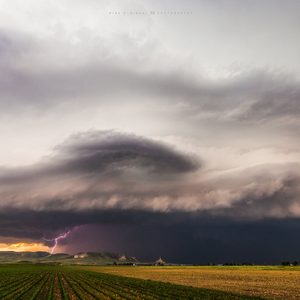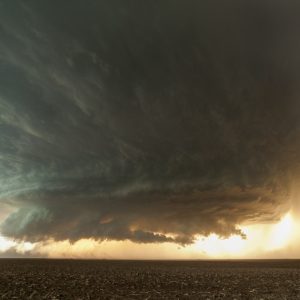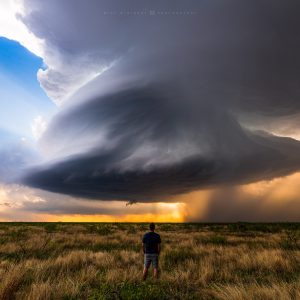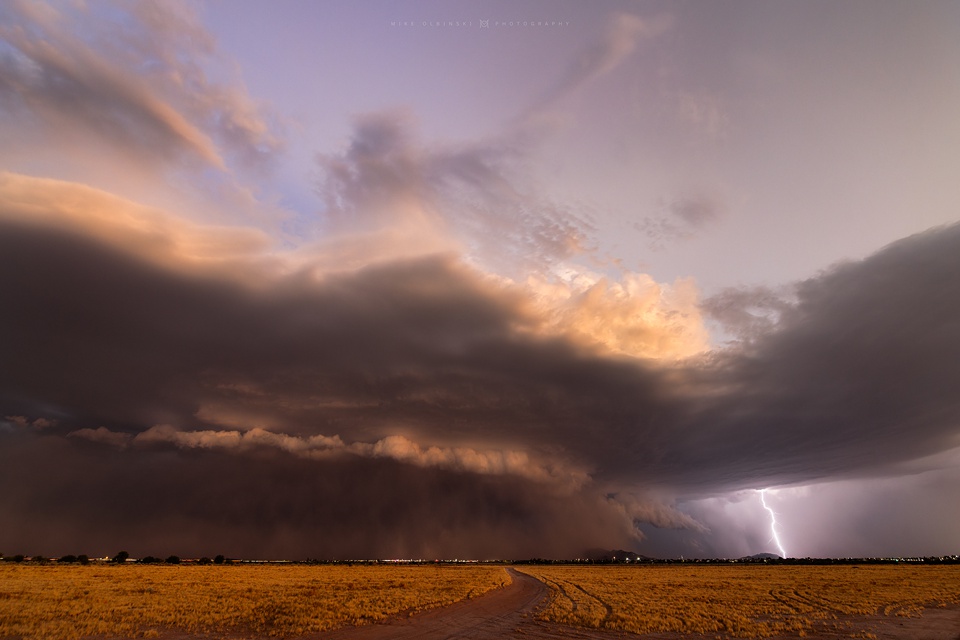
Every year, thousands of weather enthusiasts travel across America’s Great Plains hoping to witness one of nature’s most powerful phenomena. While the excitement of seeing towering supercells and, if conditions allow, tornadoes is unmatched, Tornado Chasing Tours are about much more than adrenaline. They combine meteorology, photography, education, and safety into an unforgettable experience.
Whether you’re a first-time storm enthusiast or an experienced photographer looking to improve your Storm Photography portfolio, choosing the right tour can make all the difference. Professional storm chaser and photographer Mike Olbinski has spent years documenting some of the world’s most breathtaking storms, demonstrating that successful storm chasing is built on knowledge, patience, and respect for nature, not reckless pursuit.
Before booking your next adventure, here are ten important things every traveler should know.
1. Understand That Nature Is Unpredictable
One of the biggest misconceptions about Tornado Chasing Tours is that every tour guarantees tornado sightings. In reality, no reputable company promises tornadoes because weather is inherently unpredictable.
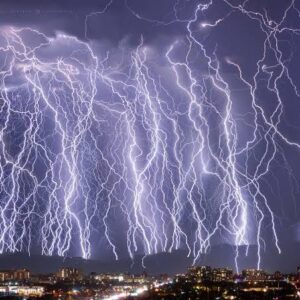
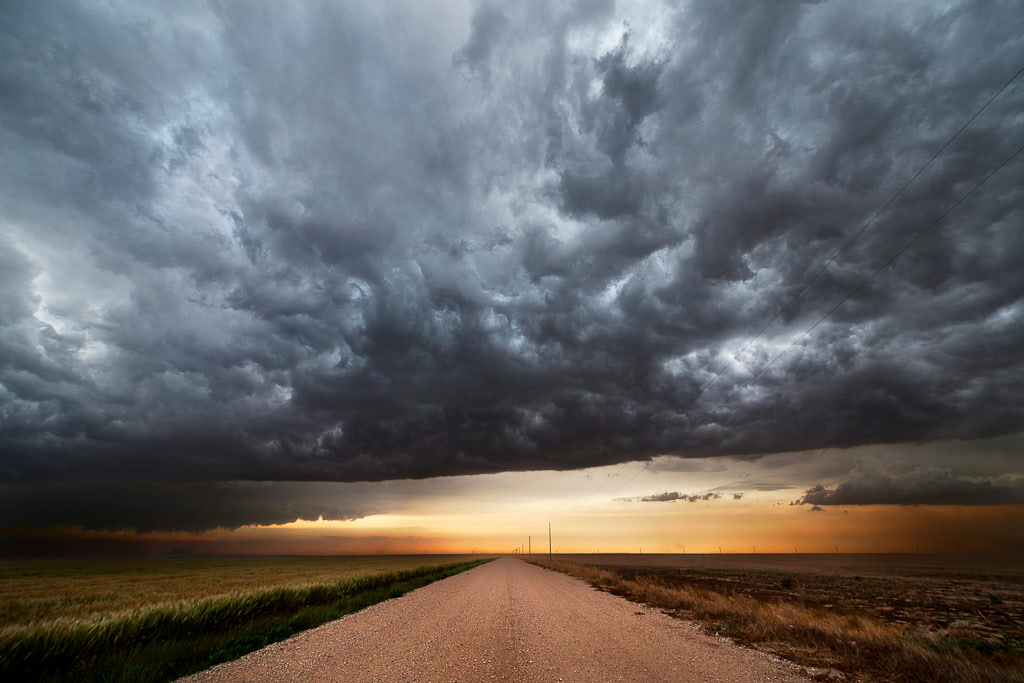
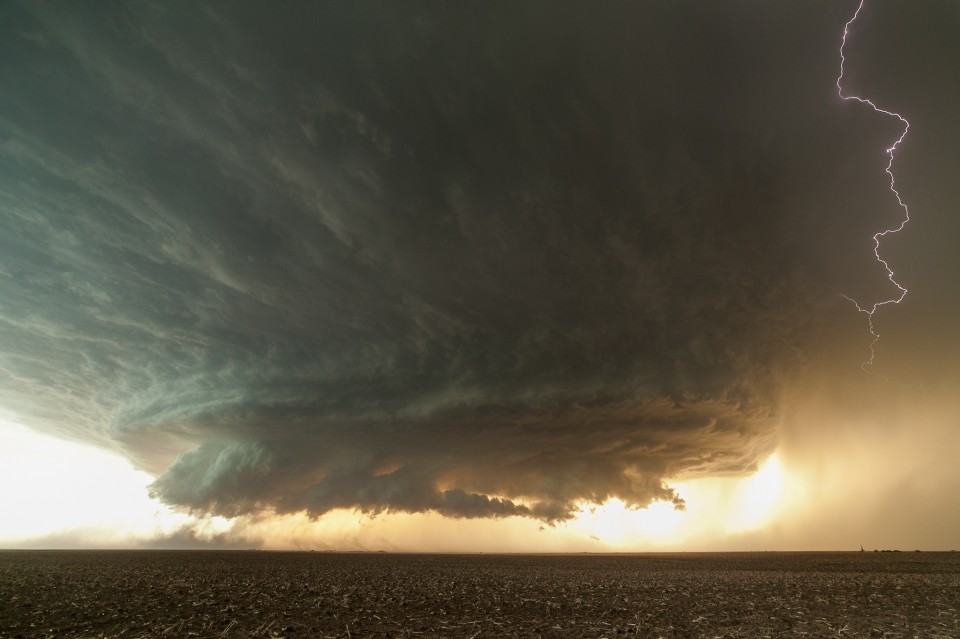
Professional guides study atmospheric conditions, forecast models, satellite imagery, and storm development throughout each day to maximize opportunities. Even if tornadoes don’t form, participants often witness spectacular supercells, lightning, mammatus clouds, shelf clouds, hail cores, dramatic sunsets, and other remarkable weather events.
The journey is about experiencing severe weather in its many forms rather than checking a tornado off a list.
2. Choose an Experienced Storm Chasing Team
Experience matters more than almost any other factor.
Established professionals understand:
- Severe weather forecasting
- Storm structure and movement
- Safe positioning
- Road network navigation
- Emergency planning
- Rapid weather changes
Experienced guides continuously monitor radar, forecast updates, and changing storm dynamics throughout the day. Their knowledge helps guests enjoy the experience while minimizing unnecessary risks.
Photographers like Mike Olbinski have built years of field experience documenting storms responsibly, showing how expertise creates better opportunities for both learning and photography.
3. Safety Should Always Come First
The best Tornado Chasing Tours prioritize safety over close encounters.
Professional operators maintain safe distances while providing excellent viewing opportunities. They avoid dangerous situations such as:
- Driving into tornado paths
- Flash flood areas
- Large hail cores
- High traffic congestion
- Poor escape routes
Responsible storm chasing is based on preparation rather than excitement. Reputable tour companies may even skip a storm if conditions become unsafe.
If a company advertises “extreme” or “guaranteed close-up” tornado experiences, consider it a warning sign.
4. Prepare for Long Days on the Road
Storm chasing involves extensive travel.
A typical day may include:
- Morning weather briefings
- Forecast discussions
- Several hundred miles of driving
- Frequent weather updates
- Waiting for storms to develop
- Evening photography sessions
Some days may involve little activity, while others become incredibly busy as storms rapidly evolve.
Patience is an essential part of the adventure.
5. Bring the Right Photography Equipment
If your goal is exceptional Storm Photography, preparation is key.
Recommended equipment includes:
- DSLR or mirrorless camera
- Wide-angle lens
- Telephoto lens
- Extra batteries
- Memory cards
- Tripod
- Rain protection for gear
- Lens cleaning kit
Because weather conditions can shift in a matter of minutes, keeping your gear organized helps you respond quickly when exceptional photographic opportunities arise.
Professional storm photographers understand that sometimes the best images appear only moments before sunset or during rapidly changing cloud formations.
6. Storm Photography Is About More Than Tornadoes
Many first-time participants assume tornadoes create the most beautiful images.
In reality, some of the most iconic Storm Photography captures feature:
- Supercell structures
- Lightning storms
- Mammatus clouds
- Shelf clouds
- Rainbow and storm combinations
- Dramatic cloud textures
- Golden hour lighting
These dramatic weather scenes frequently become the signature photographs that define a photographer’s body of work.
The ever-changing skies of Tornado Alley offer endless opportunities for remarkable photography, even on days when tornadoes never form.
7. Weather Education Is Part of the Experience
One of the greatest benefits of professional Tornado Chasing Tours is learning directly from experienced storm chasers.
Participants often gain insights into:
- Tornado formation
- Supercell anatomy
- Forecast interpretation
- Atmospheric instability
- Cloud identification
- Radar analysis
- Storm behavior
This educational aspect transforms the tour from a sightseeing trip into a hands-on learning experience.
Many guests leave with a much deeper appreciation for meteorology and severe weather science.
8. Expect Flexible Itineraries
Unlike traditional vacations, Tornado Chasing Tours rarely follow fixed schedules.
Storms determine the route.
Guides may change destinations several times during the day based on updated weather models and real-time observations.
Flexibility allows the team to position itself where storm development has the greatest potential.
Being adaptable is one of the keys to maximizing the experience.
9. The Adventure Doesn’t End After the Chase
Many participants continue enjoying the experience long after returning home.
High-quality storm images often become:
- Personal collections
- Photography portfolios
- Educational presentations
- Fine art prints
- Home décor
Many weather enthusiasts choose to display their favorite images as Tornado Wall Art, bringing the dramatic beauty of the atmosphere into their homes or offices.
The finest storm photographs capture not only powerful weather but also emotion, scale, light, and the incredible forces of nature.
Professionally created Tornado Wall Art can serve as a lasting reminder of an unforgettable adventure while celebrating the beauty of Earth’s atmosphere.
10. Book With Professionals Who Respect the Storm
The most memorable Tornado Chasing Tours are led by professionals who balance excitement with responsibility.
They understand that successful chasing involves:
- Careful planning
- Ethical decision-making
- Weather expertise
- Photography knowledge
- Respect for local communities
- Passenger safety
Professionals like Mike Olbinski have earned recognition by documenting storms responsibly while producing world-class Storm Photography that inspires photographers and weather enthusiasts around the globe.
Choosing experienced guides means investing in both your safety and your overall experience.
Final Thoughts
Booking Tornado Chasing Tours is about much more than witnessing a tornado. It is an opportunity to experience some of nature’s most extraordinary weather, learn from experienced professionals, and create unforgettable memories.
Whether your goal is improving your Storm Photography, expanding your understanding of meteorology, or eventually displaying stunning Tornado Wall Art in your home, choosing a knowledgeable and safety-focused team makes all the difference.
For those inspired by dramatic skies and breathtaking storm imagery, Mike Olbinski demonstrates how patience, expertise, and respect for nature can transform powerful weather into unforgettable visual storytelling.
Frequently Asked Questions
1. Do Tornado Chasing Tours guarantee tornado sightings?
No. Ethical tour operators never guarantee tornado sightings because weather conditions constantly change. Instead, they maximize opportunities by using advanced forecasting and years of field experience.
2. Is Storm Photography suitable for beginners?
Yes. Many tours welcome photographers of all experience levels. Guides often provide practical advice on camera settings, composition, and capturing severe weather safely.
3. What is the best season for Tornado Chasing Tours?
Peak tornado season in the central United States generally runs from late spring into early summer, although conditions vary by region and year.
4. Why is Tornado Wall Art so popular?
Tornado Wall Art showcases dramatic skies, powerful cloud formations, and breathtaking natural landscapes, making it a unique addition to homes, offices, and photography collections.
5. What camera lens is best for Storm Photography?
Wide-angle lenses are ideal for capturing massive storm structures, while telephoto lenses help isolate details such as lightning, cloud textures, or distant tornadoes.
6. What makes Mike Olbinski’s work stand out?
Mike Olbinski is widely recognized for combining technical expertise, years of storm chasing experience, and exceptional storytelling through Storm Photography. His work highlights both the beauty and power of severe weather while emphasizing responsible storm chasing practices.
7. Should I choose a photography-focused storm tour?
If your primary goal is capturing high-quality images and learning photographic techniques, a photography-oriented Tornado Chasing Tour offers valuable instruction alongside unforgettable weather experiences.
Read More: Are Tornado Chasing Tours Dangerous or Controlled Adventures
Discover more from Mike Olbinski Photography
Subscribe to get the latest posts sent to your email.
About The Author