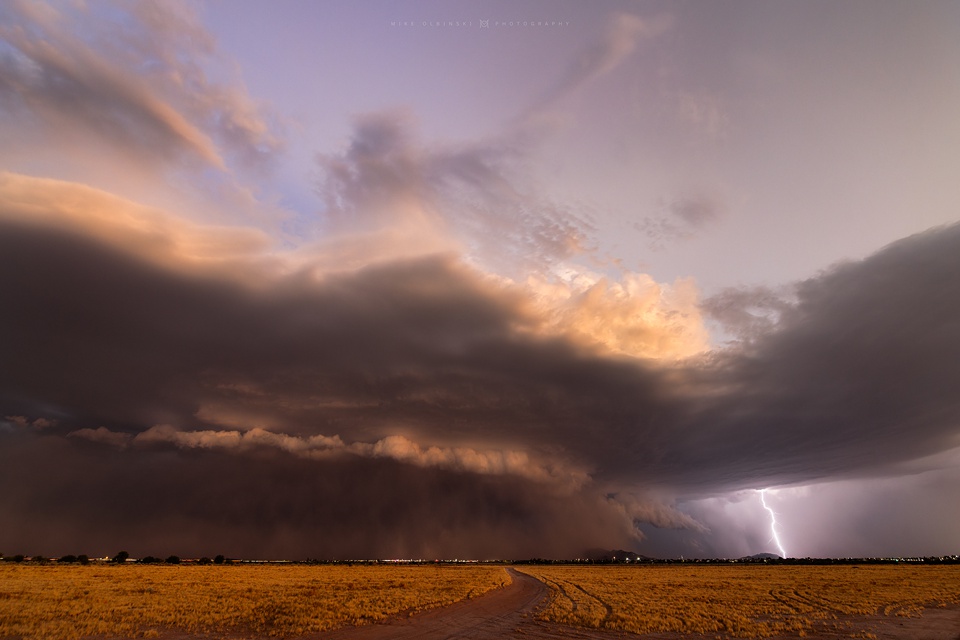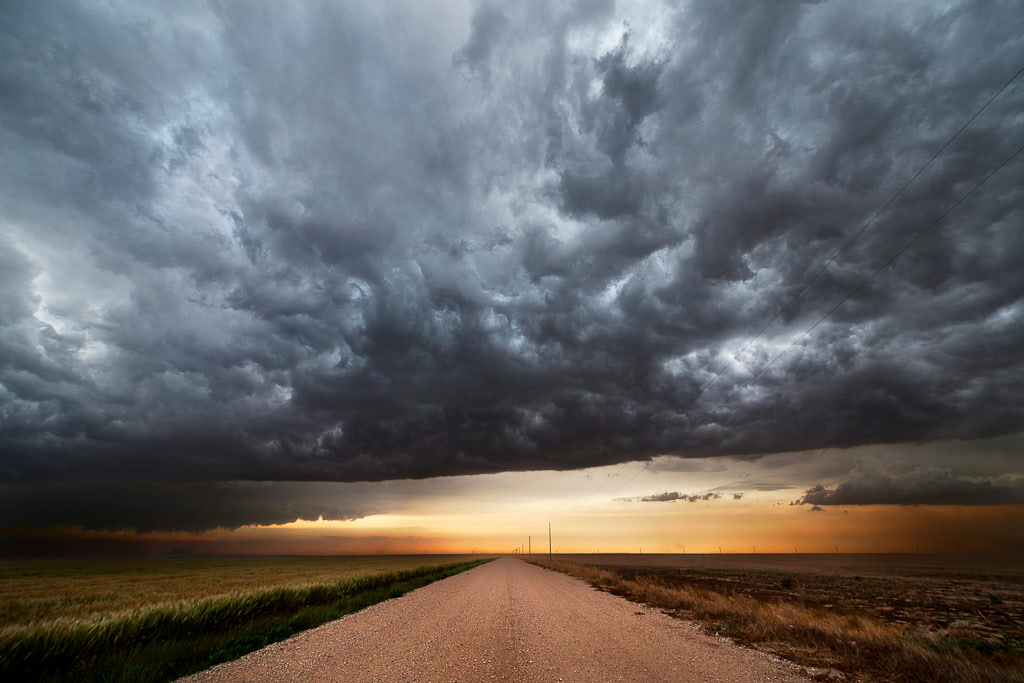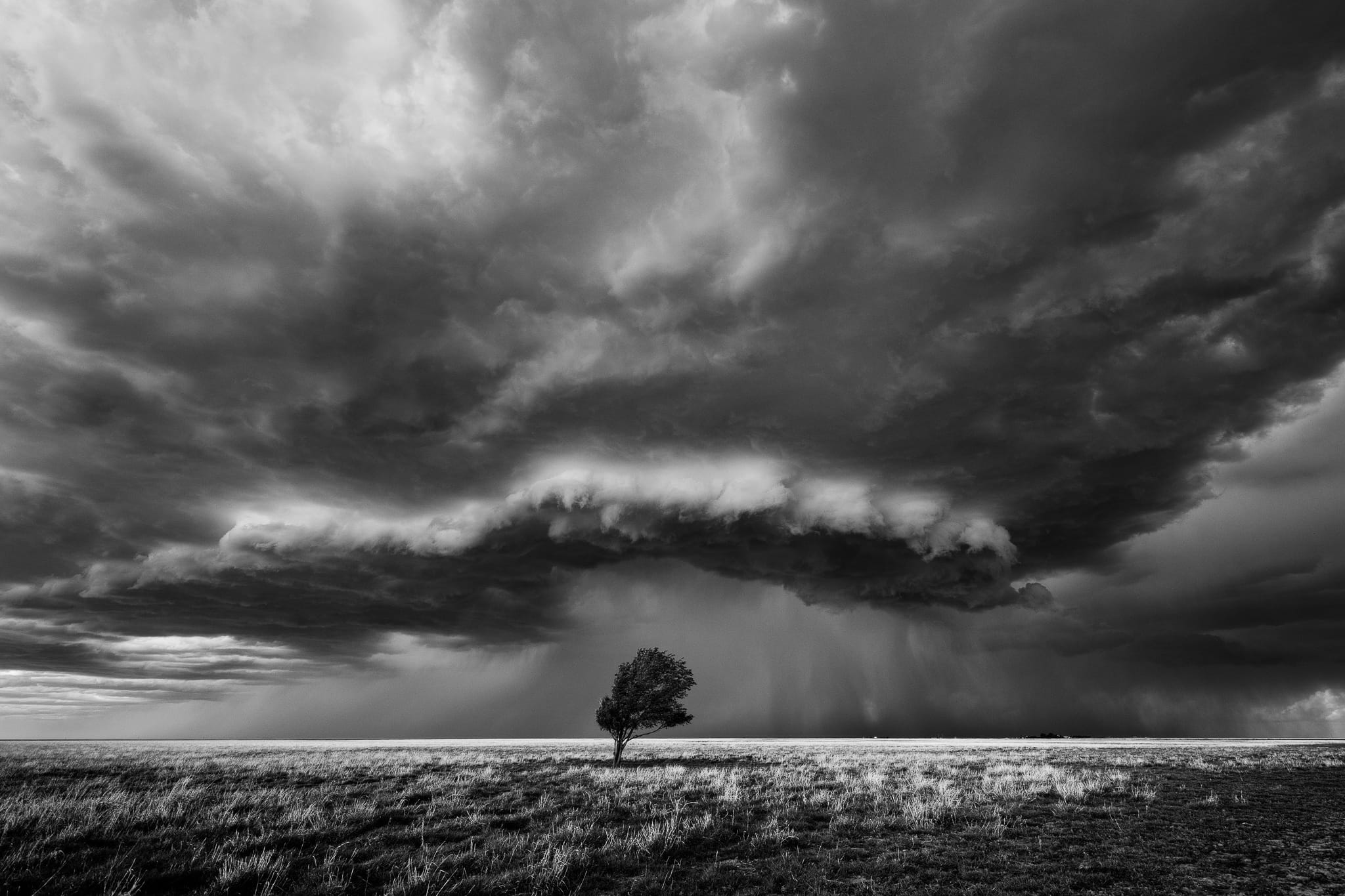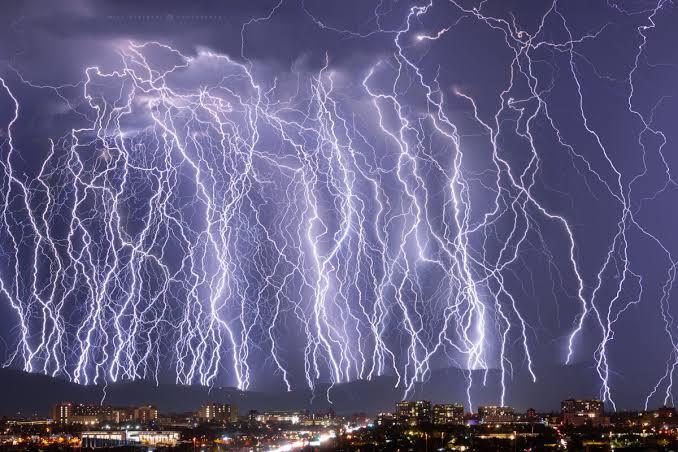
Few things in nature are as visually powerful as a massive supercell, a lightning-filled sky, a tornado developing across the plains, or an Arizona monsoon rolling across the desert. Capturing these moments requires patience, technical skill, storm knowledge, and the willingness to spend countless hours in the field waiting for the right conditions.
For filmmakers, production companies, broadcasters, advertisers, and documentary creators, professionally captured storm stock footage provides access to these fleeting moments without sending a production team into the field to wait for the perfect storm.
Mike Olbinski has spent more than a decade combining storm chasing, filmmaking, time-lapse, and Storm Photography to document severe weather across the Central Plains, Tornado Alley, Arizona, and the American Southwest. His work includes dramatic supercells, tornadoes, lightning, monsoons, haboobs, and other extreme weather scenes.
What Makes Storm Stock Footage Valuable for Productions?
Weather can be difficult to schedule. A production may need dramatic storm imagery for a documentary, commercial, television program, motion picture, or digital campaign, but capturing the required weather event on a specific production day is rarely practical.
This is where professionally captured storm footage can be valuable.
Mike Olbinski’s storm footage has been licensed for a wide range of productions, including motion pictures, major nature series, documentaries, television, commercials, music videos, video games, and large-format displays. His licensing collection includes time-lapse footage captured at resolutions of over 8K, giving productions considerable flexibility for different applications.
Rather than recreating severe weather digitally or waiting for an unpredictable event, production teams can license authentic footage that has already been captured in the field.
From Supercells to Arizona Monsoons
One of the strengths of professional weather footage is the variety of storms that can be documented.
Mike’s storm work covers different environments and weather phenomena across the United States. His work includes towering supercells across the Central Plains, tornadoes, lightning storms, Arizona monsoons, haboobs, shelf clouds, and severe thunderstorms.
Each type of weather provides different visual possibilities.
A supercell can create enormous rotating structures that dominate the horizon. Lightning can transform an otherwise dark landscape into a dramatic scene. Arizona monsoon storms can produce powerful rain shafts and dramatic skies, while haboobs create enormous walls of dust moving across the desert.
These differences allow filmmakers to select footage that fits the visual requirements and story of their project.
The Role of Time-Lapse in Storm Footage
Time-lapse is a major part of Mike Olbinski’s storm work. Instead of showing a storm as a single moment, time-lapse compresses its development and movement into a much shorter sequence.
Clouds that slowly build throughout an afternoon can appear to evolve rapidly across the screen. A storm system can move across a landscape, lightning can repeatedly illuminate the sky, and a dust storm can spread across the horizon.
Mike explains that time-lapse became an important part of his work after he began combining his storm-chasing passion with photography. His time-lapse films have since been shown in theaters, museums, film festivals, and other venues, while individual clips have been made available for licensing.
For filmmakers, this type of footage can provide more than an attractive weather shot. It can visually communicate movement, development, scale, and the passage of time.
Why High Resolution Matters
The technical quality of stock footage is an important consideration for professional productions.
Mike’s licensing collection states that nearly all of his time-lapse storm stock footage is available at over 8K resolution, with Apple ProRes 422 HQ among the delivery options. High-resolution footage provides flexibility for television, cinema, large-format displays, and other demanding applications.
Higher-resolution footage can also give editors greater flexibility during post-production. Depending on the original footage and project specifications, editors may have more room to crop, reframe, or integrate a shot into a larger composition without immediately compromising the final output.
Storm Photography and Cinematic Storytelling
Storm Photography is not simply about recording a storm. Composition, timing, light, landscape, and the structure of the weather all influence the final image.
The same principle applies to motion footage.
A wide shot of a supercell over the plains can establish scale. A lightning sequence can create a dramatic transition. A dust storm approaching a city can establish location and atmosphere. A time-lapse of a developing storm can help a documentary explain how quickly weather conditions can change.
This combination of weather knowledge and visual storytelling is central to Mike Olbinski’s approach. His storm work brings together photography, filmmaking, and storm chasing rather than treating them as completely separate disciplines.
Thunderstorm Stock Footage for Film, Television, and Commercials
Thunderstorm Stock Footage can serve many different creative purposes.
A documentary may use it to illustrate severe-weather events. A television production may need a dramatic establishing sequence. A commercial may use storm imagery to create atmosphere and visual impact. A filmmaker may incorporate lightning or cloud movement into a larger cinematic sequence.
Mike’s licensing page notes that his footage has been used for backgrounds in theaters and concerts, motion pictures, nature series, music videos, documentaries, national television commercials, television displays, video games, and other productions.
This range of applications demonstrates why storm footage can be more than simply a collection of weather clips. The same visual material can become part of very different stories depending on how it is edited and presented.
What Should You Consider When Licensing Storm Footage?
Before requesting footage, it helps to provide clear information about the project.
Consider the following:
- Project type: Film, documentary, television, commercial, digital campaign, or another production.
- Type of footage: Lightning, tornadoes, supercells, monsoons, haboobs, or general storm imagery.
- Resolution: Determine the technical specifications required by the production.
- Usage: Explain where and how the footage will be used.
- Distribution: Mention whether the project is intended for television, cinema, streaming, online platforms, advertising, or another format.
- Timing: If the production has a deadline, communicate it when making the inquiry.
Mike’s licensing page specifically invites production teams to discuss their project, budget, and footage requirements and notes that storm-footage requests can often be turned around quickly, including last-minute projects.
Bringing Real Weather to the Screen
Authentic weather has a visual character that is difficult to reproduce. The movement of real clouds, natural lightning, changing sunlight, rain shafts, dust, and storm structures create details that come directly from the environment.
That is what makes professionally captured weather imagery valuable for visual storytelling.
Mike Olbinski has built his storm photography and filmmaking career around documenting these moments. From the Central Plains and Tornado Alley to the deserts of Arizona, his work captures the beauty, scale, movement, and unpredictability of severe weather.
For productions that need professional Storm Stock Footage, his collection offers cinematic time-lapse and storm imagery captured in the field, with footage available for licensing for a broad range of creative and commercial projects.
Whether the project calls for a dramatic lightning sequence, a towering supercell, an approaching haboob, an Arizona monsoon, or a time-lapse showing a storm evolve across the landscape, authentic storm footage can bring a level of realism and visual impact that helps the weather become part of the story.
FAQs About Storm Stock Footage
1. What types of storm footage are available from Mike Olbinski?
Mike Olbinski’s storm footage includes tornadoes, supercells, thunderstorms, lightning, Arizona monsoons, haboobs, shelf clouds, and other dramatic severe-weather scenes. His collection also includes storm time-lapse footage.
2. Can Storm Stock Footage be licensed for commercial productions?
Yes. Mike Olbinski offers storm footage licensing for a range of professional uses, including films, documentaries, television programs, commercials, music videos, video games, and other productions.
3. Is Mike Olbinski’s storm footage available in high resolution?
Yes. His licensing collection includes time-lapse storm footage captured at resolutions above 8K, with professional delivery options available for production use.
4. What is the difference between storm photography and storm stock footage?
Storm photography primarily captures individual still images, while storm stock footage consists of video clips that record movement and changing weather conditions. Mike Olbinski works in both photography and video, including cinematic storm time-lapse.
5. Can Thunderstorm Stock Footage be used in documentaries?
Yes. Thunderstorm Stock Footage can provide authentic visual sequences for documentaries covering weather, science, nature, storm chasing, and related subjects, subject to the applicable licensing terms.
6. Can storm footage be used for a last-minute production?
Mike Olbinski’s licensing page notes that footage requests can often be handled quickly, including projects with short deadlines. Production teams should provide their requirements and intended use when making an inquiry.
7. What information should be provided when requesting storm footage?
A footage request should ideally include the type of storm or visual sequence needed, intended use, project type, technical requirements, distribution plans, and deadline. Providing these details can help identify suitable footage more efficiently.
8. Why use professionally captured weather photography and footage?
Professional weather photography and footage can provide authentic imagery of real storms, with deliberate composition, technical camera work, and footage captured during actual weather events. This can be particularly valuable when realism and visual quality are important to a production.
Discover more from Mike Olbinski Photography
Subscribe to get the latest posts sent to your email.
About The Author