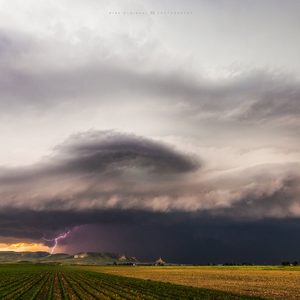
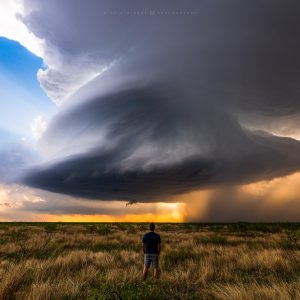
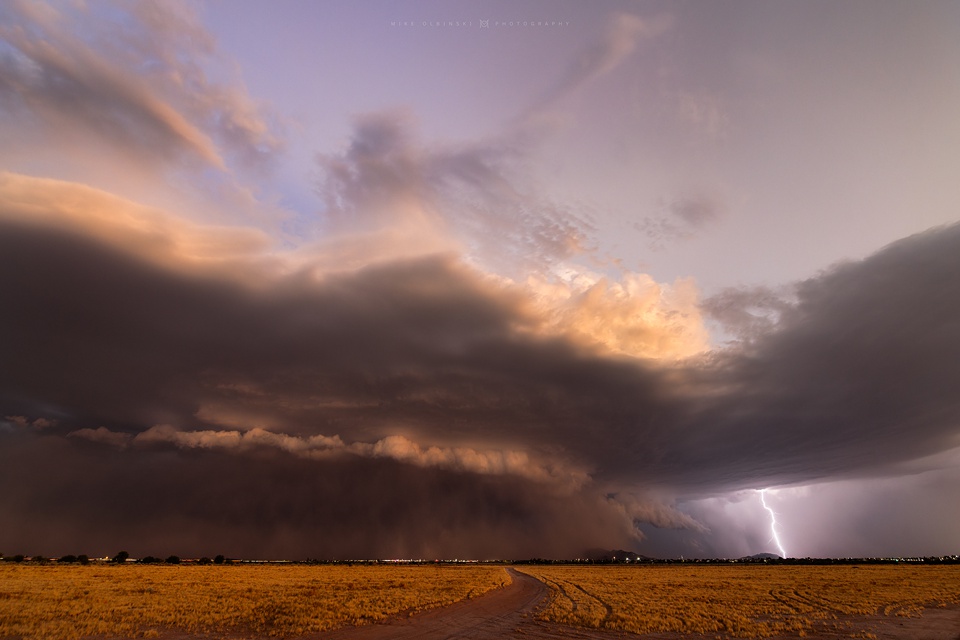
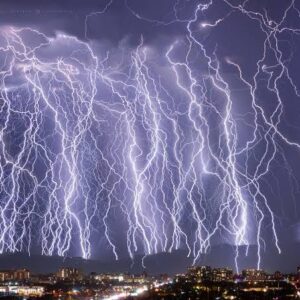
Arizona is widely associated with desert landscapes, bright sunshine, and wide-open horizons, but its skies can tell a very different story. During monsoon season, towering clouds, lightning, rain shafts, dust storms, and rapidly changing light can transform the landscape in a matter of minutes. These fleeting scenes provide compelling subjects for Timelapse Photography, allowing viewers to see weather develop and move in a way that a single photograph cannot.
For timelapse photographers, Arizona offers an especially interesting environment because weather and landscape can interact dramatically. Mike Olbinski has spent years documenting storms and changing skies across Arizona and the American Southwest, combining photography, time-lapse, and filmmaking to tell visual stories about weather.
Why Arizona’s Skies Are Ideal for Timelapse Photography
A traditional photograph captures one moment. A time-lapse sequence can show what happens before and after that moment.
Clouds can build gradually over the desert, storms can approach the horizon, sunlight can shift across the landscape, and lightning can illuminate the sky. When a sequence of photographs is captured at regular intervals and played back as video, these changes become much more visible.
Arizona’s summer monsoon season can provide particularly dynamic conditions. Mike Olbinski has documented Arizona monsoon storms, dust storms, lightning, rain, dramatic clouds, and sunsets through time-lapse films. His earlier work on Arizona’s monsoon season illustrates how these changing weather conditions can be brought together into a larger visual story.
What Makes Storm Time-Lapse Photography Different?
Storm Photography requires more than simply pointing a camera toward an interesting cloud. Weather is constantly changing, and photographers have to make decisions about composition, timing, exposure, camera position, and the duration of a sequence.
With time-lapse work, there is another layer of planning. The photographer needs to determine how frequently photographs should be captured and how long the sequence should continue.
For example, a slowly developing cloud formation may benefit from a longer sequence, while rapidly changing storm activity may require a different approach. The goal is to capture enough frames to show meaningful movement without losing the visual connection between individual moments.
For storm-focused Timelapse Photographers, conditions can also be unpredictable. A promising storm may weaken, move in another direction, or develop differently than expected. This makes patience and flexibility important parts of the process.
Capturing Arizona Monsoon Storms
Arizona’s monsoon season is particularly interesting for weather photographers. Storm activity can produce dramatic combinations of clouds, rain, lightning, dust, and changing sunlight.
Mike Olbinski has documented Arizona monsoon weather for many years. His published work includes time-lapse films showing dust storms, rain, lightning, clouds, sunsets, and other elements of the Arizona summer storm environment.
One reason these scenes work well in time-lapse is the contrast between the relatively static desert landscape and rapidly changing atmospheric conditions. Mountains, roads, buildings, and desert terrain can provide a stable foreground while clouds and storms move through the frame.
This creates a sense of scale and helps viewers understand how quickly a weather system can transform the appearance of a landscape.
The Role of Composition in Storm Time-Lapse
Technical equipment is only part of creating an effective time-lapse. Composition remains important.
A photographer may consider:
- The position of the horizon
- Cloud structure and movement
- Interesting foreground elements
- Mountain ranges or city skylines
- Direction of approaching weather
- Available natural light
- Potential lightning activity
- How the scene may change during the sequence
A strong composition gives the moving weather a visual context. Rather than showing clouds against an empty sky, the frame can communicate how the weather interacts with the surrounding landscape.
This is one reason Arizona can be visually distinctive. The combination of open desert terrain, mountains, cities, and dramatic summer weather provides multiple compositional possibilities.
From Individual Frames to a Cinematic Story
One of the biggest differences between a collection of photographs and a finished time-lapse film is storytelling.
A time-lapse sequence may contain hundreds or thousands of individual frames, but the final result needs to feel coherent. Several sequences can be edited together to show different stages of a weather event or different locations experiencing similar conditions.
Mike Olbinski has developed this approach through years of storm chasing and filmmaking. His time-lapse work combines weather imagery with music and editing to create cinematic films rather than simply presenting individual sequences.
His storm time-lapse footage has also been used in professional productions, with the website noting licensing for film, television, documentaries, commercials, and other media projects.
Why Patience Matters
Storm photography can involve significant waiting. A photographer may spend hours watching weather conditions before a worthwhile scene develops.
There is also no guarantee that a particular outing will produce the desired result. Weather changes naturally, and the most visually interesting moment may occur unexpectedly.
For time-lapse photography, patience becomes even more important because the photographer needs enough continuous frames to create a sequence. Interrupting a sequence too early can mean missing the development of the scene.
The unpredictability is also part of what makes weather photography interesting. Every storm has its own structure, movement, light, and timing.
Experience Behind the Camera
Successful storm time-lapse photography combines creative decisions with technical knowledge and an understanding of weather.
A photographer needs to think about the image while also paying attention to changing conditions. This can involve choosing a safe shooting location, monitoring the weather, positioning the camera, managing exposure, and determining when to begin or end a sequence.
For anyone interested in learning more about this process, Mike Olbinski also offers a Storm Photography & Time-lapse Masterclass based on his years of storm-chasing experience.
Experience Arizona Through Storm Photography
Arizona’s skies demonstrate how quickly a landscape can change. A clear horizon can become filled with towering clouds, rain shafts, dust, or lightning, creating scenes that may last only a short time.
Through Storm Photography and time-lapse filmmaking, those fleeting moments can become visual records of changing weather. For timelapse photographers, the challenge is not simply to capture movement but to turn that movement into a compelling visual story.
Mike Olbinski’s work demonstrates how Arizona’s weather can provide the foundation for cinematic photography, from monsoon storms and lightning to dust storms and dramatic desert skies.
Capture the Drama of Arizona’s Skies
Interested in professional storm imagery, time-lapse films, or licensing for a creative production? Visit Mike Olbinski’s storm photography collection to view his work and learn more about available photography, time-lapse footage, and licensing opportunities.
Frequently Asked Questions
What is timelapse photography?
Timelapse photography is a technique in which photographs are captured at set intervals and combined into a video sequence. This allows changes that normally happen over minutes or hours to appear much faster.
Why is Arizona suitable for storm time-lapse photography?
Arizona’s combination of open landscapes, mountains, desert terrain, and seasonal storm activity can provide strong visual settings for time-lapse work. Monsoon storms can bring dramatic clouds, lightning, rain, dust, and changing light.
What subjects can be captured in Arizona timelapse photography?
Subjects can include developing thunderstorms, lightning, monsoon clouds, dust storms, sunsets, rain shafts, landscapes, and changing weather conditions. The exact opportunities depend on weather and location.
How does storm photography differ from regular landscape photography?
Landscape photography often focuses on a particular scene or moment, while storm photography places greater emphasis on changing weather conditions. When combined with time-lapse techniques, storm photography can show how clouds, light, rain, and other atmospheric features develop over time.
Where does Mike Olbinski photograph storms?
Mike Olbinski is based in Phoenix, Arizona, and his storm time-lapse work includes Arizona, the American Southwest, and other areas of the United States, including Tornado Alley.
Can Mike Olbinski’s storm time-lapse footage be licensed?
Yes. Selected storm time-lapse footage is available for licensing for professional productions, including commercial, editorial, film, television, documentary, and other media uses. Licensing terms depend on the intended use and project requirements.
Discover more from Mike Olbinski Photography
Subscribe to get the latest posts sent to your email.
About The Author