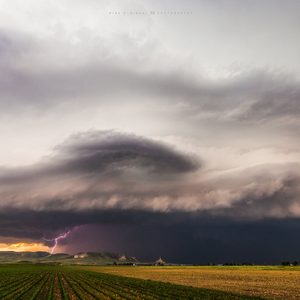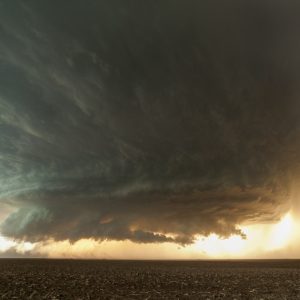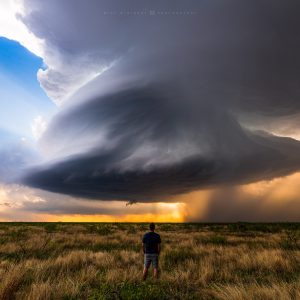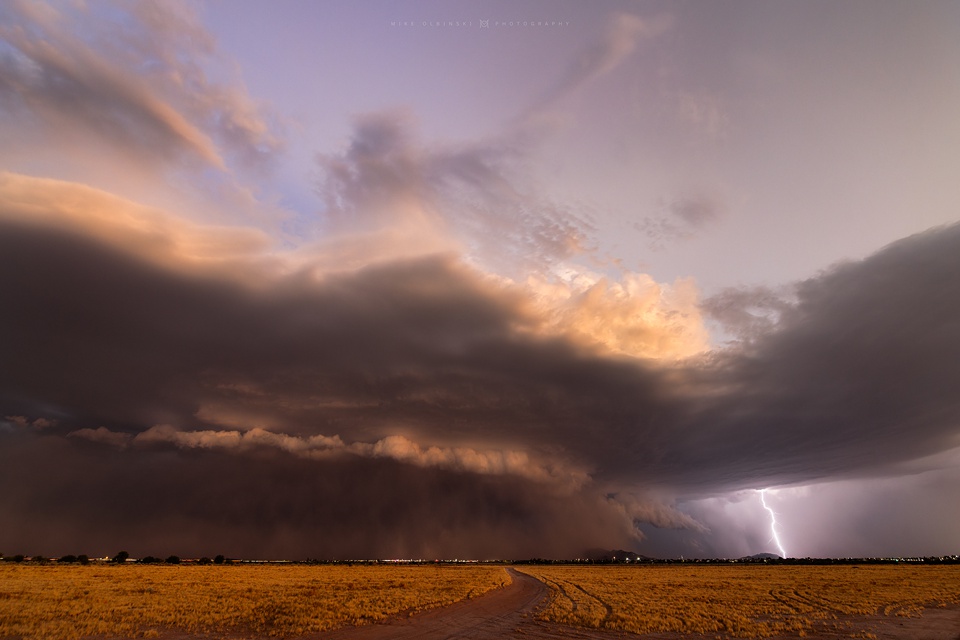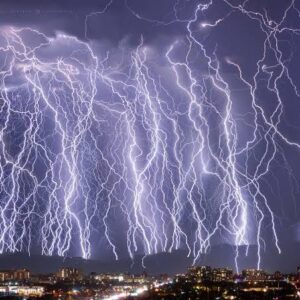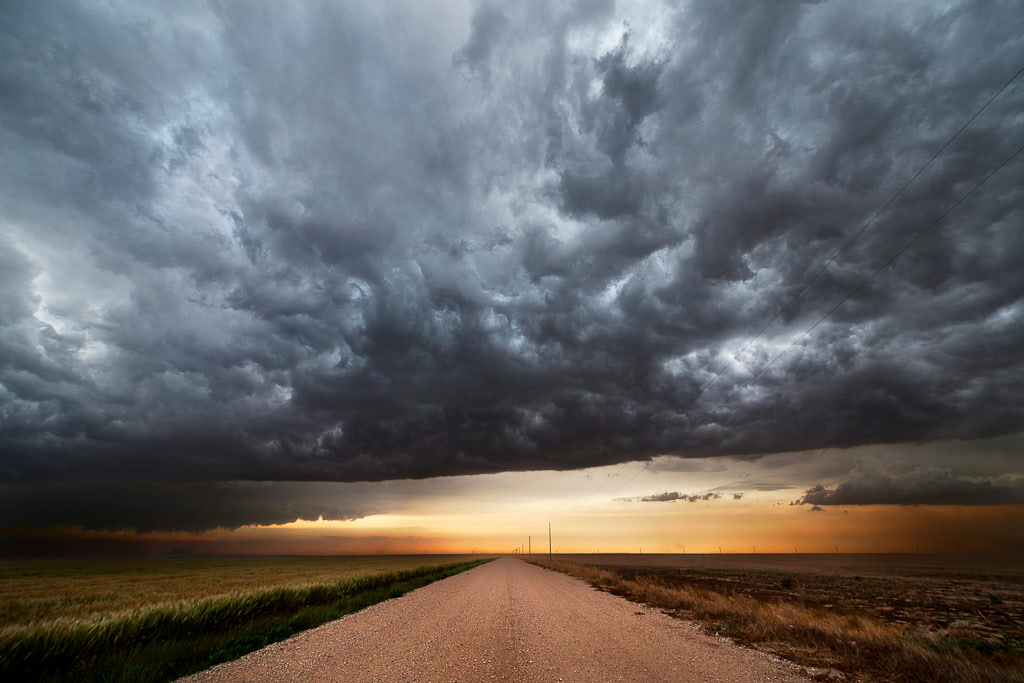
A dramatic lightning strike, towering supercell, or sweeping storm structure can transform a publication, campaign, documentary, or creative project. But when a professional photograph is selected for a project, one important question comes next: What type of permission is needed to use it?
Understanding the difference between commercial and editorial use makes Storm Photography Licensing much easier to navigate. The right license depends on how the photograph will be used, where it will appear, and the purpose of the project.
For businesses, publishers, filmmakers, agencies, and creative professionals looking for authentic weather imagery, Mike Olbinski provides professional storm photography that can be considered for a range of commercial, editorial, and media projects.
What Is Storm Photography Licensing?
Storm Photography Licensing is permission to use a professionally created storm image for a specific purpose under agreed terms. A license does not necessarily transfer ownership or copyright of the photograph. Instead, it gives the customer defined rights to use the image.
Licensing requirements can vary depending on factors such as:
- The purpose of the project
- Where the image will appear
- How long it will be used
- Geographic distribution
- Intended audience
- Number of placements
- Commercial or editorial use
For example, a publisher using a storm photograph to illustrate an article may have different requirements from a company using the same type of image in an advertising campaign.
Commercial or Editorial? Understanding Storm Photography Licensing
The easiest way to understand the distinction is to consider the purpose of the image.
Commercial Storm Photography Licensing
Commercial use generally involves promoting, advertising, marketing, or supporting a business, product, service, organization, or commercial project.
Examples include:
- Advertising campaigns
- Brand marketing
- Company websites
- Promotional materials
- Product packaging
- Social media advertising
- Corporate presentations
- Marketing videos
- Commercial film and television projects
For example, a company selling outdoor equipment may want to use a dramatic storm photograph in an advertising campaign. Because the image helps promote the company or its products, the project would generally be considered commercial.
Editorial Storm Photography Licensing
Editorial use is generally associated with journalism, reporting, education, commentary, and informational storytelling.
Examples include:
- Newspapers
- Magazines
- News websites
- Weather articles
- Educational publications
- Books
- Documentaries
- Informational websites
- News broadcasts
A magazine publishing a feature about severe weather, for example, may use a storm photograph to support the editorial story.
The important point is that the exact definition of permitted use depends on the applicable licensing terms. When there is uncertainty, the intended use should be discussed before publication.
Which Storm Photography License Do You Need?
This is one of the most important questions for anyone looking to license a storm image.
| Project | Typical Use |
| Magazine weather article | Editorial |
| Newspaper story | Editorial |
| News website | Editorial |
| Educational publication | Editorial |
| Advertising campaign | Commercial |
| Brand website | Commercial |
| Product marketing | Commercial |
| Social media advertisement | Commercial |
| Documentary | Depends on project and licensing terms |
| Film or television production | Production/commercial terms may apply |
| Book | Depends on the nature of the publication |
These examples are intended as general guidance. A project’s specific requirements should always be confirmed before the photograph is used.
Can the Same Storm Photograph Be Used Commercially and Editorially?
Yes, the same photograph may potentially be suitable for different types of projects. However, having access to an image does not automatically mean it can be used for every purpose.
For example, a photograph selected for an editorial article should not automatically be reused in a company’s advertising campaign. The intended commercial use may require different licensing terms.
This is why explaining the project before licensing is important. Providing accurate information allows the appropriate usage rights to be discussed from the beginning.
What Should You Tell the Photographer When Requesting a License?
A clear licensing request makes the process easier for both the customer and the photographer.
When contacting Mike Olbinski about storm photography licensing, it is helpful to provide information such as:
1. How the Image Will Be Used
Explain whether the photograph is intended for advertising, editorial content, a website, film, television, publishing, social media, or another purpose.
2. Where It Will Appear
Mention the platforms or formats where the photograph will be displayed. This could include a printed magazine, website, billboard, video production, social media campaign, or marketing material.
3. How Long Will It Be Used
Some projects are short-term campaigns, while others may require ongoing use. Providing the expected duration helps clarify the licensing requirements.
4. Where the Project Will Be Distributed
A local publication, national campaign, and worldwide digital campaign can have very different distribution requirements.
5. How the Photograph Will Be Used
Explain whether the photograph will be used as a standalone image, incorporated into a design, displayed alongside text, or modified as part of a larger creative project.
The more complete the project information, the easier it is to determine the appropriate licensing arrangement.
What Can Affect Storm Photography Licensing Terms?
There is no universal licensing arrangement that works for every project. Terms may depend on several factors.
Usage: Advertising and promotional applications may have different requirements from editorial use.
Duration: A campaign running for several weeks may have different needs from a photograph intended for long-term use.
Distribution: Where and how widely the image will be seen can influence the licensing requirements.
Placement: A photograph used on a company homepage may have different requirements from one used in a national advertising campaign.
Project type: Publishing, film, television, advertising, editorial, and other creative projects can each have different considerations.
Discussing these details before using the image helps prevent misunderstandings later.
Why Choose Professional Storm Photography?
Storms are unpredictable. A remarkable lightning strike, dramatic supercell, or unusual cloud formation can appear for only a few moments, making authentic weather photography difficult to capture.
Professional Storm Photography brings together timing, experience, technical skill, and an understanding of weather conditions. Rather than relying on generic stock imagery, businesses and creative teams can use distinctive photographs that capture real atmospheric events.
The work of Mike Olbinski focuses on dramatic weather and storm environments, offering imagery with the scale and visual impact that can strengthen editorial stories, creative productions, and commercial projects.
Why Not Simply Use a Storm Photo Found Online?
Finding an image through a search engine does not mean the image is free to use. Photographs generally remain protected by copyright, and using an image without the appropriate permission can create legal and financial problems.
Licensing provides a clearer way to obtain permission for a specific use. It also recognizes the work, time, equipment, travel, and expertise involved in creating professional storm photography.
For businesses and creative professionals, obtaining the appropriate license before publication is a much safer approach than assuming an online image is available for unrestricted use.
How to Choose the Right Storm Photograph
Licensing is only one part of the decision. The photograph should also suit the project’s visual requirements.
Consider:
- The mood the project needs
- The type of storm or weather event
- Image orientation
- Available space for text or design elements
- Resolution requirements
- Where the image will be displayed
- Whether the photograph supports the project’s message
For example, a wide storm landscape may work well as a website banner, while a vertically oriented lightning photograph could be more suitable for a magazine page or social media design.
Choosing an image based on both visual impact and practical requirements can produce a much stronger final result.
License Storm Photography for Your Next Project
Whether the goal is to illustrate a weather story, strengthen a documentary, create a memorable advertising campaign, or add dramatic imagery to a creative production, professional storm photography can make a significant difference.
Understanding the difference between commercial and editorial use is the first step. The next is providing clear information about the intended project so the appropriate licensing requirements can be discussed.
Mike Olbinski captures authentic storms and dramatic weather moments that can bring a powerful visual element to commercial, editorial, and media projects.
If a project requires professional Storm Photography Licensing, contact Mike Olbinski with details about the intended use, distribution, duration, and project type. This helps establish the appropriate licensing terms before the photograph is published or distributed.
Conclusion
Commercial and editorial photography may look similar from a visual perspective, but the way an image is used can make a significant difference to its licensing requirements. Understanding this distinction helps customers choose appropriate usage rights and avoid problems after an image has been published.
For anyone seeking authentic Storm Photography for a commercial, editorial, media, or creative project, professional licensing provides a straightforward way to use compelling imagery while respecting the photographer’s work and copyright.
FAQs About Storm Photography Licensing
What is Storm Photography Licensing?
Storm Photography Licensing is permission to use a professional storm photograph for a specific purpose under agreed licensing terms. The license determines how the image may be used rather than automatically transferring ownership of the photograph.
What is commercial storm photography licensing?
Commercial licensing generally applies when a photograph is used for advertising, marketing, branding, promotion, or another business-related purpose.
What is editorial storm photography licensing?
Editorial licensing generally applies to photography used for journalism, news, educational content, commentary, documentaries, magazines, newspapers, and other informational purposes.
Can I use a licensed storm photograph on my website?
Website use may be permitted depending on the licensing terms and purpose of the website. A business website and an editorial publication may have different usage requirements.
Can storm photography be used in advertising?
Yes, professional storm photographs can be licensed for advertising when the appropriate commercial usage rights are obtained.
Can I use storm photography in a documentary or film?
Storm photography can potentially be licensed for documentaries, films, television programs, and other productions. The production details should be provided so the appropriate licensing requirements can be determined.
What information should I provide when requesting a license?
Provide the intended use, project type, platforms, geographic distribution, duration, audience, and any other relevant information about how the photograph will be used.
Does licensing a photograph mean I own it?
Not necessarily. A license generally provides permission to use the photograph under specified terms, while copyright ownership remains with the photographer unless a separate agreement states otherwise.
Can I use a storm photograph I found on Google?
Not simply because it appears in search results. An image found online may still be protected by copyright. Permission or an appropriate license should be obtained before using it.
How do I get Storm Photography Licensing from Mike Olbinski?
Contact Mike Olbinski with details about the intended project and how the photograph will be used. The project information can then be used to determine the appropriate licensing requirements.
Discover more from Mike Olbinski Photography
Subscribe to get the latest posts sent to your email.
About The Author