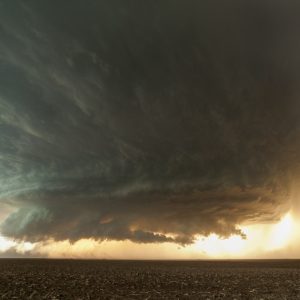
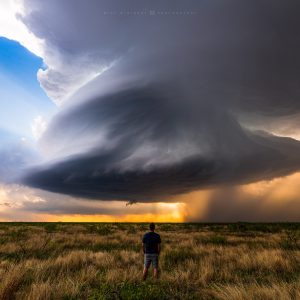
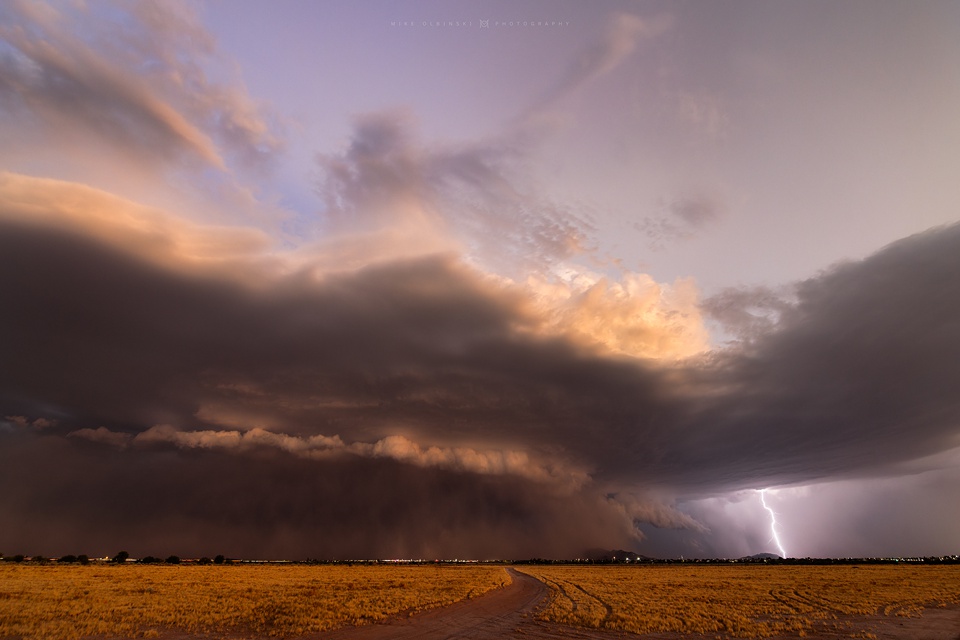
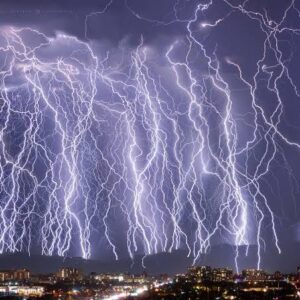
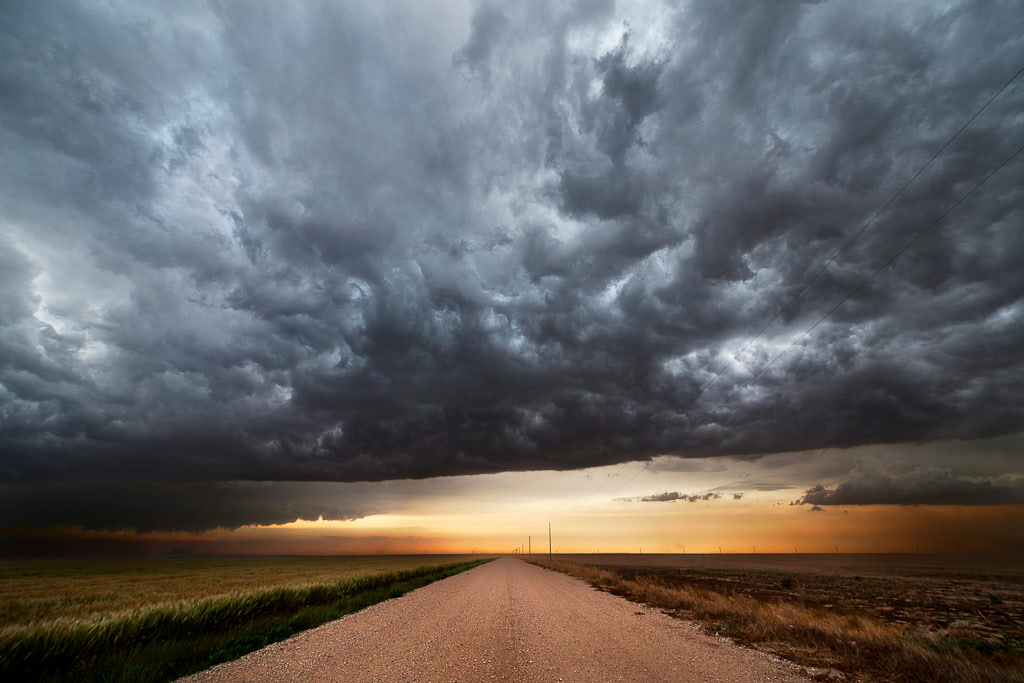
Arizona’s monsoon season produces some of the most spectacular weather in the world. Towering supercells, dramatic shelf clouds, powerful lightning, and massive dust storms create unforgettable opportunities for weather photography. However, photographing severe weather safely requires much more than camera equipment—it requires knowledge, planning, and experience.
A professional storm chasing masterclass teaches photographers how to safely forecast, track, and photograph storms while minimizing risk. Rather than encouraging participants to get dangerously close to severe weather, these workshops focus on understanding storm behavior, making informed decisions, and capturing remarkable images from safe locations.
Whether you’re new to storm photography or looking to refine your skills, learning from experienced professionals like Mike Olbinski provides practical knowledge that goes far beyond camera settings.
Why Safety Comes Before Photography
Every successful storm photographer understands one important principle: no photograph is worth risking personal safety.
Arizona’s monsoon season, typically lasting from June through September, brings rapidly changing weather conditions. A calm desert landscape can quickly transform into heavy rain, intense lightning, strong winds, flash flooding, or a towering haboob.
A quality Storm Chasing Masterclass teaches photographers how to anticipate these changes before they happen, allowing them to create incredible images while avoiding unnecessary danger.
Understanding Arizona Weather Before Leaving Home
Successful storm photography begins long before stepping outside.
One of the most valuable lessons covered during a Storm Chasing Masterclass is weather forecasting.
Participants learn how to:
- Read radar imagery
- Interpret weather models
- Identify instability and moisture patterns
- Track storm movement
- Recognize severe weather warnings
- Predict where photogenic storms are most likely to develop
These forecasting skills dramatically increase the chances of finding beautiful storms while reducing exposure to dangerous conditions.
For photographers seeking more personalized guidance, Storm Chasing Consulting Services can help with route planning, weather analysis, forecasting strategies, and identifying the best photographic opportunities throughout Arizona’s monsoon season.
Always Maintain a Safe Distance
One of the biggest misconceptions about storm chasing is that photographers need to be directly underneath a storm.
In reality, many of the most iconic storm photographs are captured from miles away.
Maintaining distance allows photographers to:
- Capture the full storm structure
- Stay outside dangerous hail cores
- Avoid intense lightning activity
- Leave multiple escape routes available
- Safely reposition as storms evolve
Professional storm photographers spend as much time planning safe positioning as they do composing photographs.
Lightning Safety Is Non-Negotiable
Lightning is one of the most unpredictable dangers encountered during storm photography.
A professional storm chasing masterclass emphasizes simple but essential precautions, including:
- Remaining inside a vehicle when lightning is nearby
- Avoiding open fields and elevated locations
- Staying away from isolated trees
- Never standing near fences or power lines
- Using remote triggers whenever practical
- Monitoring storm distance continuously
These habits allow photographers to capture dramatic lightning images without unnecessarily exposing themselves to danger.
Respect Arizona’s Monsoon Hazards
Arizona’s desert environment presents unique weather challenges that differ from other storm-chasing regions.
Participants learn how to safely navigate hazards such as:
Flash Flooding
Even if rainfall appears light where you’re standing, heavy rain many miles away can quickly flood normally dry washes.
Never drive through flooded roads.
Haboobs
Large dust storms can reduce visibility to near zero within minutes.
If caught in a haboob:
- Pull completely off the roadway.
- Turn off your lights.
- Keep your foot off the brake pedal.
- Wait until visibility improves before continuing.
Extreme Heat
Storms often develop after hours of intense desert heat.
Proper hydration, sun protection, and vehicle preparation are essential before storms even begin forming.
Carry the Right Safety Equipment
Experienced storm photographers prepare for changing conditions before every chase.
Recommended gear includes:
- Extra drinking water
- First-aid kit
- Portable battery packs
- Flashlight or headlamp
- Weather radio
- GPS navigation
- Tire repair kit
- Rain protection for camera gear
- Microfiber cloths
- Extra memory cards and batteries
Preparation allows photographers to focus on creativity instead of unexpected problems.
Drive Defensively During Storm Chases
Safe driving is just as important as photography.
Participants learn to:
- Keep fuel tanks full
- Avoid flooded roads
- Monitor changing road conditions
- Park without blocking traffic
- Leave multiple escape routes
- Never stop in travel lanes to photograph storms
Good storm photographers understand that arriving safely is always the first priority.
Camera Safety Matters Too
Arizona’s weather can change rapidly.
Rain, blowing dust, and strong winds can damage expensive equipment if photographers aren’t prepared.
A Storm Chasing Masterclass teaches practical techniques for protecting cameras while continuing to shoot safely.
Participants also learn efficient field workflows that reduce setup time and keep attention focused on changing weather conditions rather than equipment.
Beyond Still Photography: Storm Time-Lapse Techniques
Many photographers eventually expand into time-lapse filmmaking.
A Storm Time-lapse Masterclass builds on the same safety principles while teaching advanced techniques for capturing storm evolution over time.
Topics often include:
- Interval shooting
- Camera movement
- Long-duration power solutions
- Time-lapse planning
- Weather forecasting for extended shoots
- Editing cinematic storm sequences
Because time-lapse cameras often remain in one location for long periods, careful planning becomes even more important for both equipment safety and personal safety.
Learn From Experience
One of the greatest advantages of learning from Mike Olbinski is benefiting from years of real-world experience photographing Arizona’s monsoon season.
His award-winning storm photography and cinematic time-lapse films demonstrate that remarkable images come from preparation, patience, and respect for severe weather—not unnecessary risks.
Through a professional storm chasing masterclass, photographers gain valuable forecasting knowledge, field techniques, and safety habits that can improve every future storm chase.
Final Thoughts
Great storm photography begins with great decision-making.
Learning how storms develop, understanding Arizona’s unique weather patterns, and following proven safety practices allow photographers to capture extraordinary images while protecting themselves and others.
Whether you’re interested in improving your weather photography, joining a Storm Chasing Masterclass, exploring a Storm Time-lapse Masterclass, or using Storm Chasing Consulting Services to refine your forecasting skills, investing in education is one of the safest and most rewarding ways to grow as a storm photographer.
Frequently Asked Questions
Is an Arizona Storm Chasing Masterclass suitable for beginners?
Yes. Most workshops are designed for photographers of varying experience levels and include instruction on weather forecasting, camera techniques, and field safety.
When is the best time for storm photography in Arizona?
Arizona’s monsoon season generally runs from June through September, offering excellent opportunities to photograph lightning, shelf clouds, supercells, and dramatic desert skies.
What camera equipment should I bring?
A DSLR or mirrorless camera, wide-angle and telephoto lenses, a sturdy tripod, extra batteries, memory cards, rain covers, and lens cleaning supplies are recommended.
Do I need weather forecasting experience?
No. A professional Storm Chasing Masterclass teaches participants how to read radar, understand weather models, and identify favorable storm conditions.
How close should photographers get to severe storms?
Professional storm photographers prioritize safety by photographing storms from locations that provide excellent visibility while avoiding dangerous conditions such as hail, flash flooding, or frequent lightning.
What are Storm Chasing Consulting Services?
Storm Chasing Consulting Services provide personalized guidance on forecasting, chase planning, weather analysis, photography locations, and improving field decision-making.
What will I learn in a Storm Time-lapse Masterclass?
Participants learn interval shooting, camera movement, weather forecasting, equipment setup, power management, and editing techniques for creating cinematic storm time-lapse videos.
Why learn from Mike Olbinski?
Mike Olbinski has spent years documenting Arizona’s monsoon storms and is internationally recognized for his storm photography and cinematic time-lapse work. His experience provides practical insights into forecasting, safety, composition, and capturing extraordinary weather imagery.
Read more: The Complete Storm Chasing Masterclass for Beginners and Experts
Discover more from Mike Olbinski Photography
Subscribe to get the latest posts sent to your email.
About The Author