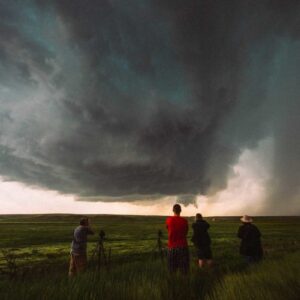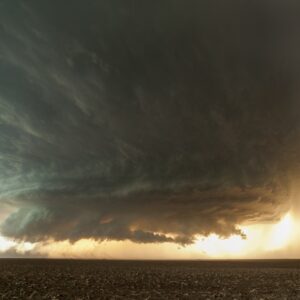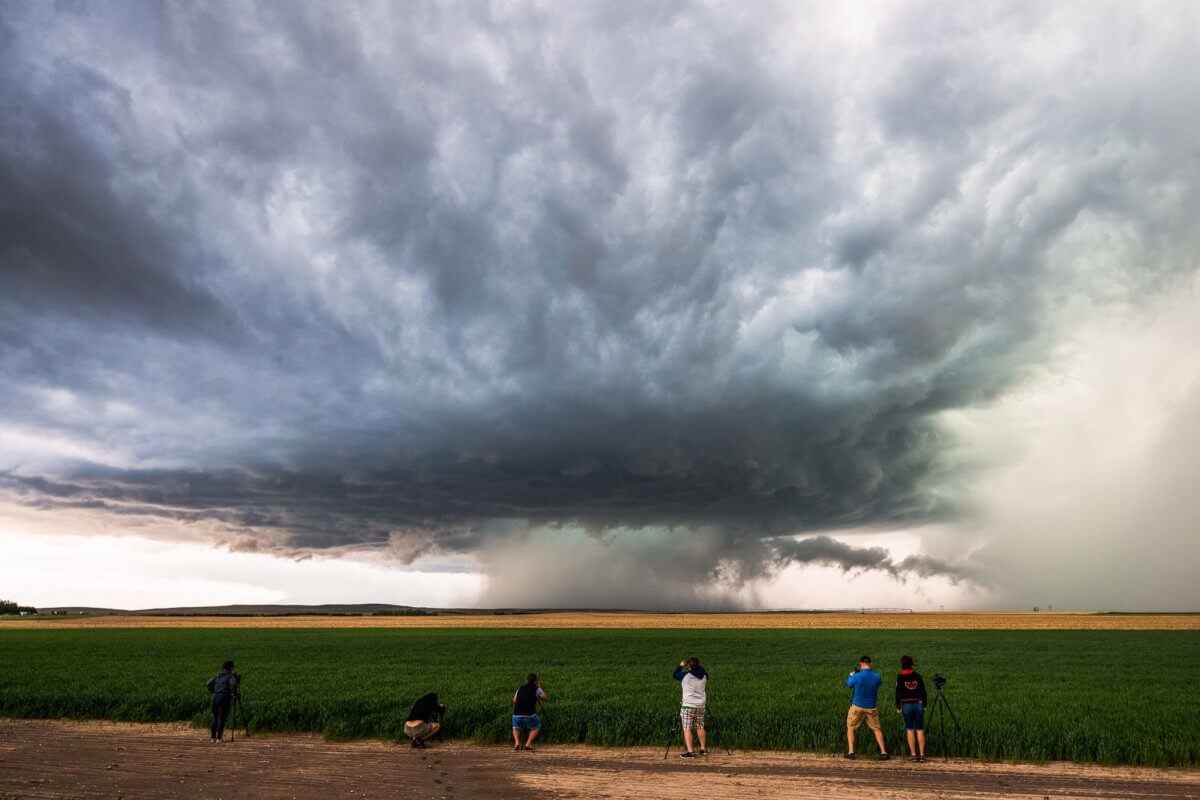
Tornadoes are powerful, fast-changing weather events that demand respect. The idea of witnessing one up close has made Tornado Chasing Tours increasingly popular among travelers, weather enthusiasts, and photographers. However, it’s important to approach this topic with clarity and honesty. These tours are not risk-free, but they are professionally managed experiences designed to reduce risk as much as possible.
Understanding Tornado Chasing Tours
Tornado Chasing Tours are guided trips led by experienced storm chasers and meteorology professionals. These teams monitor weather systems using radar, satellite data, and forecasting models to identify areas where severe storms may develop.
Participants travel in specially planned routes, often across regions in the United States known for tornado activity. The purpose is to observe storms from a safer, informed distance, not to put people in harm’s way.
Are Tornado Chasing Tours Dangerous?
Yes, there is real risk involved, and it should not be ignored.
Tornadoes are unpredictable. Even with modern forecasting tools, storm behavior can change quickly. Conditions such as large hail, strong winds, lightning, and heavy rain can create hazardous situations.
Real Risks Include:
- Rapid storm intensification or direction changes
- Poor road conditions or traffic during storm tracking
- Flying debris or hail in severe weather zones
- Limited visibility during heavy rain or dust
Because of these factors, tornado chasing should never be treated as a casual or guaranteed-safe activity.
How Tornado Chasing Tours Manage Risk
While risks exist, reputable Tornado Chasing Tours aim to reduce exposure to danger through planning and expertise, not eliminate it.
Experienced Guides
Tour leaders are trained storm observers who understand weather patterns and know when to reposition or disengage.
Use of Technology
Teams rely on tools like Doppler radar, GPS tracking, and live weather updates to make informed decisions in real time.
Decision-Making Over Thrill
Responsible operators prioritize safety over getting closer to a tornado. If conditions become unsafe, they will change plans or withdraw.
Structured Approach
Routes, positioning, and timing are planned with caution. Tours typically avoid unnecessary risks and do not pursue storms blindly.
Important Reality: No Tour Is Completely Safe
It’s essential to understand that no Tornado Chasing Tour can guarantee complete safety. The weather is unpredictable, and even professionals operate with uncertainty.
A well-run tour:
- Reduces risk through knowledge and planning
- Avoids extreme or reckless decisions
- Focuses on observation rather than danger
But it does not remove all potential hazards.
The Experience: Controlled, But Not Risk-Free
Participants often describe Tornado Chasing Tours as intense, educational, and visually stunning. However, the experience requires:
- Patience
- Flexibility
- Awareness of changing conditions
You may spend hours tracking storms without seeing a tornado, or you may witness severe weather from a distance. The experience is not guaranteed, and safety decisions always come first.
Storm Photography Opportunities
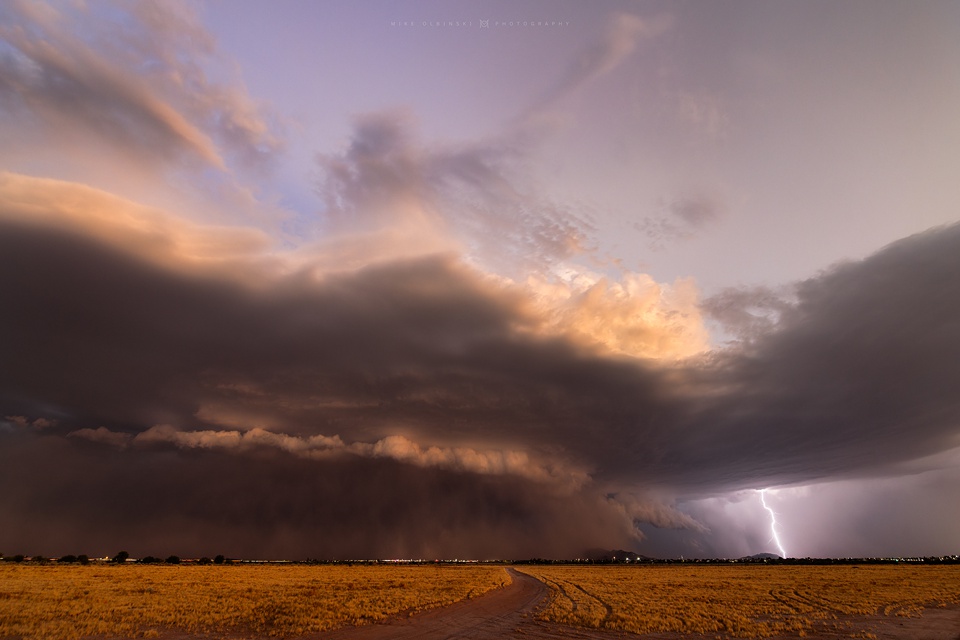
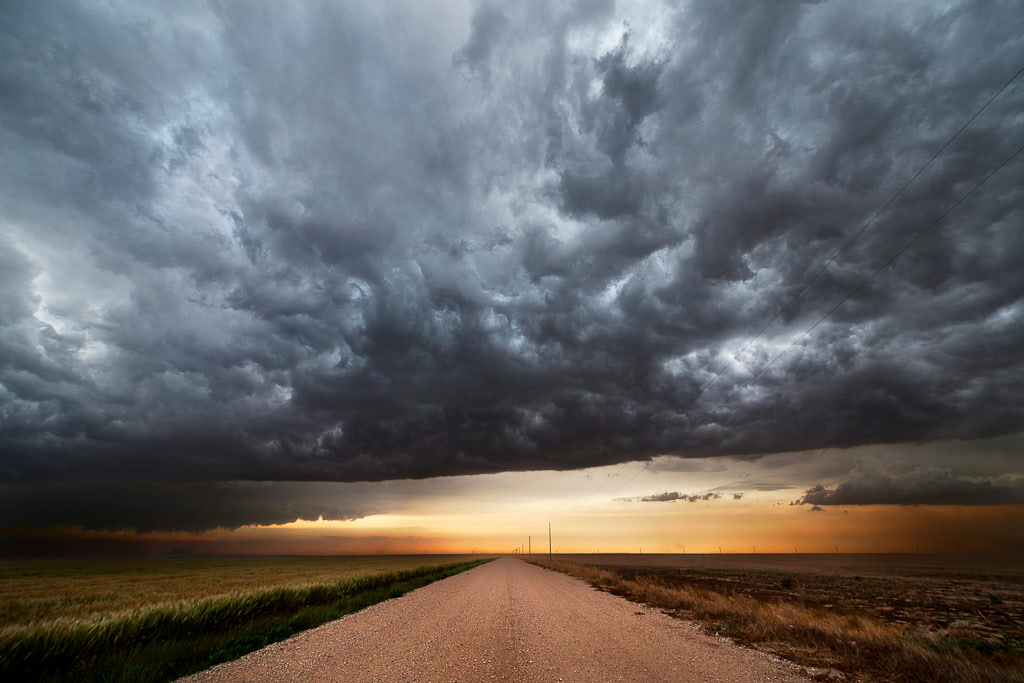
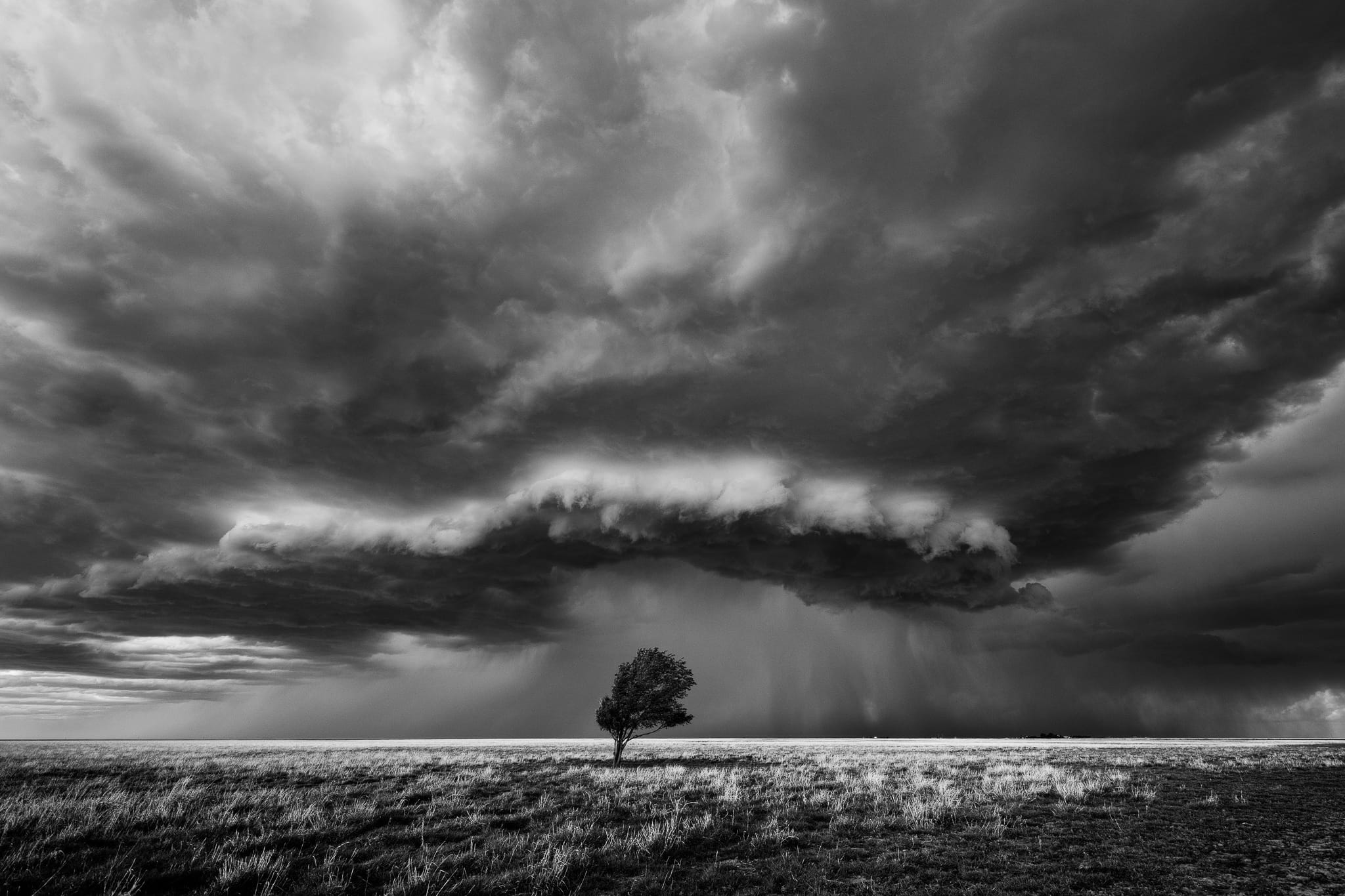
One of the biggest attractions of Tornado Chasing Tours is the opportunity for Storm Photography. Dramatic cloud formations, lightning, and supercells provide unique chances to capture powerful natural scenes.
Well-known storm photographer Mike Olbinski has documented severe weather in a way that highlights both its beauty and intensity. His work reflects what is possible when storms are approached with patience, skill, and respect, not risk-taking.
From Photography to Tornado Wall Art
Images captured during these tours are often used to create Tornado Wall Art, showcasing the visual impact of storms. These pieces are valued for their uniqueness and the story behind them.
However, it’s important to remember:
- Not every tour results in dramatic footage
- Weather conditions vary
- Safety decisions may limit close viewing opportunities
The focus should remain on experience and learning, not just outcomes.
Who Should Consider Tornado Chasing Tours?
Suitable for:
- Individuals interested in weather and science
- Photographers exploring Storm Photography
- Travelers seeking structured adventure experiences
Not suitable for:
- Those expecting zero risk
- People are uncomfortable with unpredictable environments
- Anyone unwilling to follow strict instructions
Practical Safety Considerations
If you are thinking about joining Tornado Chasing Tours, keep these points in mind:
- Research the operator’s experience and safety approach
- Follow all instructions from guides without hesitation
- Understand that plans can change quickly
- Pack appropriate clothing and essentials
- Accept that safety may limit how close you get to storms
Final Verdict: Dangerous or Controlled?
Tornado Chasing Tours are controlled experiences with real, unavoidable risks.
They are not reckless when conducted by professionals, but they are also not completely safe or predictable. The level of control comes from:
- Expert decision-making
- Use of technology
- Careful planning
The risk comes from the nature of tornadoes themselves.
Conclusion
Tornado Chasing Tours are neither purely dangerous nor completely safe; they exist in between. They are structured, professionally guided experiences that manage risk but cannot remove it.
For those interested in extreme weather, Storm Photography, or creating meaningful Tornado Wall Art, these tours can offer a unique perspective. However, the most important factor is understanding the reality: nature cannot be controlled, only respected.
Frequently Asked Questions (FAQs)
1. Are Tornado Chasing Tours completely safe?
No. Tornado Chasing Tours involve real risks due to unpredictable weather conditions. Professional guides work to reduce these risks, but they cannot eliminate them.
2. Do you always see a tornado on these tours?
No. Tornado sightings are not guaranteed. Weather conditions may not always produce visible tornadoes.
3. How close do tours get to tornadoes?
Distances vary depending on safety conditions. Guides aim for safe observation points, not close proximity.
4. Can beginners join Tornado Chasing Tours?
Yes, beginners can join, but they should understand the risks and be prepared to follow all safety instructions.
5. Is Storm Photography possible during these tours?
Yes, Storm Photography is a key part of the experience, but opportunities depend on weather conditions and safety decisions.
6. Can I create Tornado Wall Art from my experience?
Yes, if you capture quality images, they can be used as Tornado Wall Art, though results are not guaranteed.
7. Are Tornado Chasing Tours worth it?
They can be valuable for learning and experience, but they should be approached with realistic expectations and awareness of risk.
Discover more from Mike Olbinski Photography
Subscribe to get the latest posts sent to your email.
About The Author