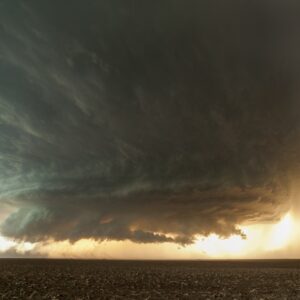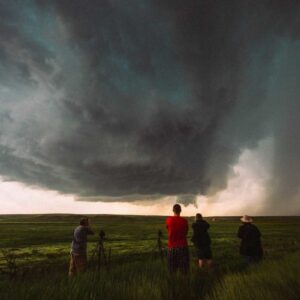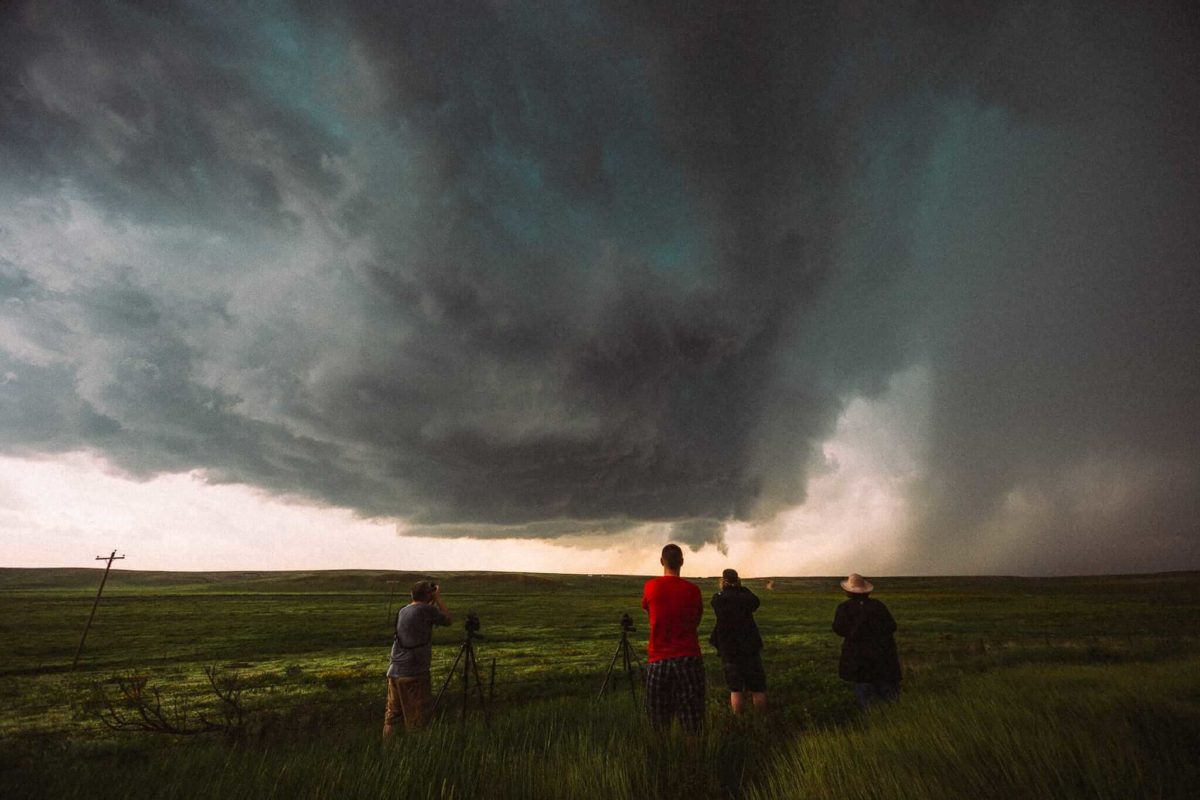
Storm photography is one of the most exciting genres of outdoor photography. From towering supercells and brilliant lightning to dramatic shelf clouds and the rare tornado, every chase presents a unique opportunity to capture nature at its most powerful. However, photographing severe weather successfully requires much more than good camera gear—it demands careful planning, weather knowledge, and a commitment to safety. Whether you’re new to weather photography or an experienced photographer looking to sharpen your skills, joining professionally guided Storm Chasing Photography Tours is one of the best ways to improve your craft while staying safe. Many photographers also enhance their knowledge through a storm-chasing masterclass or an online storm photography course, combining classroom learning with real-world experience.
Why Choose Storm Chasing Photography Tours?
Unlike traditional landscape photography trips, Storm Chasing Photography Tours are built around forecasting and following severe weather. Every day begins with analyzing weather models, identifying potential storm targets, and planning routes that maximize photographic opportunities while minimizing risk.
Professional tours offer benefits such as:
- Expert weather forecasting and storm analysis
- Safe positioning for photographing severe storms
- Hands-on photography instruction in the field
- Daily guidance on camera settings and composition
- Opportunities to photograph supercells, lightning, mammatus clouds, shelf clouds, and occasionally tornadoes
Instead of guessing where storms may develop, participants learn from experienced storm chasers who understand both meteorology and photography.
Planning for a Successful Storm Photography Tour
Preparation plays a major role in every successful chase. Weather conditions can change rapidly, so being ready before the trip begins helps photographers focus on creating great images.
1. Choose the Right Time of Year
The Great Plains storm season, typically from April through June, provides some of the world’s best opportunities for severe storm photography. This period often produces photogenic supercells, dramatic cloud structures, and favorable lighting conditions.
Professional Storm Chasing Photography Tours carefully monitor forecasts and adjust daily travel plans to stay in the best target areas.
2. Bring the Right Photography Equipment
Reliable equipment is essential for successful weather photography.
Recommended gear includes:
- DSLR or mirrorless camera
- Wide-angle lens (16–35mm)
- Mid-range zoom lens
- Telephoto lens
- Sturdy tripod
- Remote shutter release
- Multiple batteries
- Extra memory cards
- Rain covers for camera equipment
- Lens cleaning kit
Many photographers also carry portable SSDs or laptops to back up images during multi-day tours.
3. Learn Basic Weather Forecasting
Understanding weather patterns greatly improves your chances of capturing incredible storm images.
Even a basic knowledge of:
- Supercell development
- Drylines
- Cold fronts
- CAPE
- Wind shear
- Storm motion
can help photographers better understand why experienced guides choose certain chase targets.
Many participants study these concepts before their trip by enrolling in an Online Storm Photography Course, allowing them to get more from their guided experience.
Safety Is Always the Priority
No photograph is worth risking your safety.
The best Storm Chasing Photography Tours place safety above everything else. Experienced guides constantly evaluate changing weather conditions, road networks, and storm behavior before making decisions.
Stay at a Safe Distance
The most dramatic photographs are often captured several miles away using thoughtful composition rather than dangerous proximity.
Monitor Weather Continuously
Professional chasers monitor:
- Live radar
- Satellite imagery
- Storm warnings
- Wind direction
- Hail potential
- Tornado development
Constant monitoring allows photographers to remain in safe viewing locations.
Always Have an Escape Route
Storms can change direction quickly. Experienced guides always maintain multiple exit options and avoid becoming trapped by flooded roads or rapidly moving storms.
Respect Nature
Severe weather is unpredictable. Strong winds, lightning, large hail, and flash flooding can develop with little warning. Responsible storm photographers understand that patience and caution always outweigh the desire for a closer photograph.
Photography Techniques for Better Storm Images
Capturing impressive storm photographs requires both technical skill and creativity.
Photograph the Entire Storm Structure
Wide-angle lenses help showcase the enormous scale of supercells and shelf clouds while allowing foreground elements to add depth.
Shoot in Manual Mode
Changing light conditions often confuse automatic camera settings. Manual exposure gives photographers better control over highlights, shadows, and lightning exposures.
Include Strong Foregrounds
Roads, windmills, old barns, fields, mountains, and rural landscapes provide context and create more compelling compositions.
Chase Great Light
Some of the most spectacular storm photographs occur near sunrise or sunset when warm light illuminates dramatic cloud formations.
Continue Learning Beyond the Chase
Every storm season teaches something new. The photographers who improve the fastest continue learning long after the tour ends.
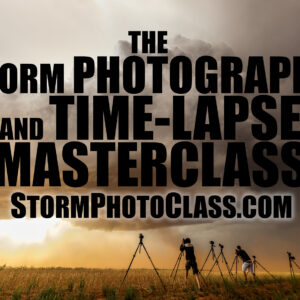
A professional Storm Chasing Masterclass helps photographers develop advanced forecasting skills, improve composition, understand storm structure, and master editing techniques.
Similarly, an Online Storm Photography Course allows photographers to study at their own pace, covering topics like:
- Weather forecasting basics
- Camera settings
- Lightning photography
- Image editing workflows
- Storm safety
- Chase planning
Combining online education with real-world experience creates a strong foundation for long-term success.
Storm Chasing Photography Tours vs. Tornado Chasing Tours
Although these experiences overlap, they serve different goals.
Tornado Chasing Tours focus primarily on observing tornado-producing storms whenever atmospheric conditions make tornado development possible. While photography is often encouraged, witnessing severe weather safely remains the primary objective.
In contrast, Storm Chasing Photography Tours are designed specifically for photographers. Guides prioritize beautiful storm structure, dramatic lighting, composition opportunities, and safe shooting locations. Participants often photograph lightning, shelf clouds, mammatus formations, rain shafts, and colorful sunsets—even on days when tornadoes never form.
Final Thoughts
Storm photography is about much more than chasing dramatic skies. It combines science, adventure, patience, and artistic vision into an unforgettable experience. By investing time in learning weather forecasting, practicing safe chasing techniques, and refining photography skills, photographers can consistently create stronger images.
Whether you join professionally guided storm chasing photography tours, enroll in an online storm photography course, participate in a storm chasing masterclass, or experience specialized tornado chasing tours, the right education and mentorship will dramatically improve both your confidence and your results.
With guidance from experienced professionals like Mike Olbinski, you’ll not only capture breathtaking images but also develop the knowledge needed to pursue weather photography safely and successfully for years to come.
Frequently Asked Questions (FAQs)
1. What are Storm Chasing Photography Tours?
Storm Chasing Photography Tours are guided photography expeditions that take participants to areas with active severe weather. They combine weather forecasting, safe storm chasing, and hands-on photography instruction.
2. Are Storm Chasing Photography Tours suitable for beginners?
Yes. Most tours welcome photographers of all skill levels. Beginners benefit from expert guidance on camera settings, composition, and storm safety while learning alongside experienced photographers.
3. What camera gear should I bring for weather photography?
For weather photography, bring a DSLR or mirrorless camera, wide-angle lens, tripod, extra batteries, memory cards, rain protection, and a remote shutter release for long exposures.
4. What’s the difference between Storm Chasing Photography Tours and Tornado Chasing Tours?
Storm Chasing Photography Tours focus on creating stunning photographs of storms, while Tornado Chasing Tours primarily aim to observe tornado-producing storms safely. Photography is an important part of both, but the overall objectives differ.
5. Is a Storm Chasing Masterclass worth taking?
Yes. A Storm Chasing Masterclass provides in-depth training on forecasting, storm structure, camera techniques, image processing, and safe chasing strategies, making it valuable for photographers looking to improve their skills.
6. Can I learn storm photography online before joining a tour?
Absolutely. An Online Storm Photography Course helps photographers understand weather forecasting, camera settings, and editing techniques before participating in field-based tours.
7. Is storm photography dangerous?
Storm photography can involve risks, but joining professionally guided Storm Chasing Photography Tours, following safety protocols, and respecting weather conditions significantly reduce those risks while providing a safer and more educational experience.
Read More: The Complete Storm Chasing Masterclass for Beginners and Experts
Discover more from Mike Olbinski Photography
Subscribe to get the latest posts sent to your email.
About The Author