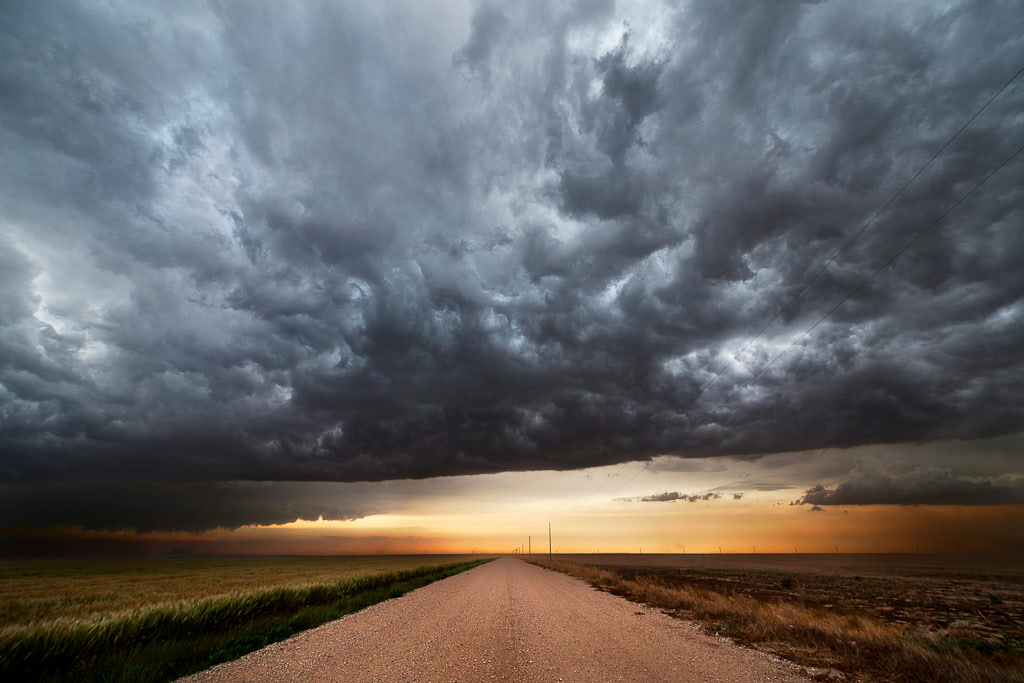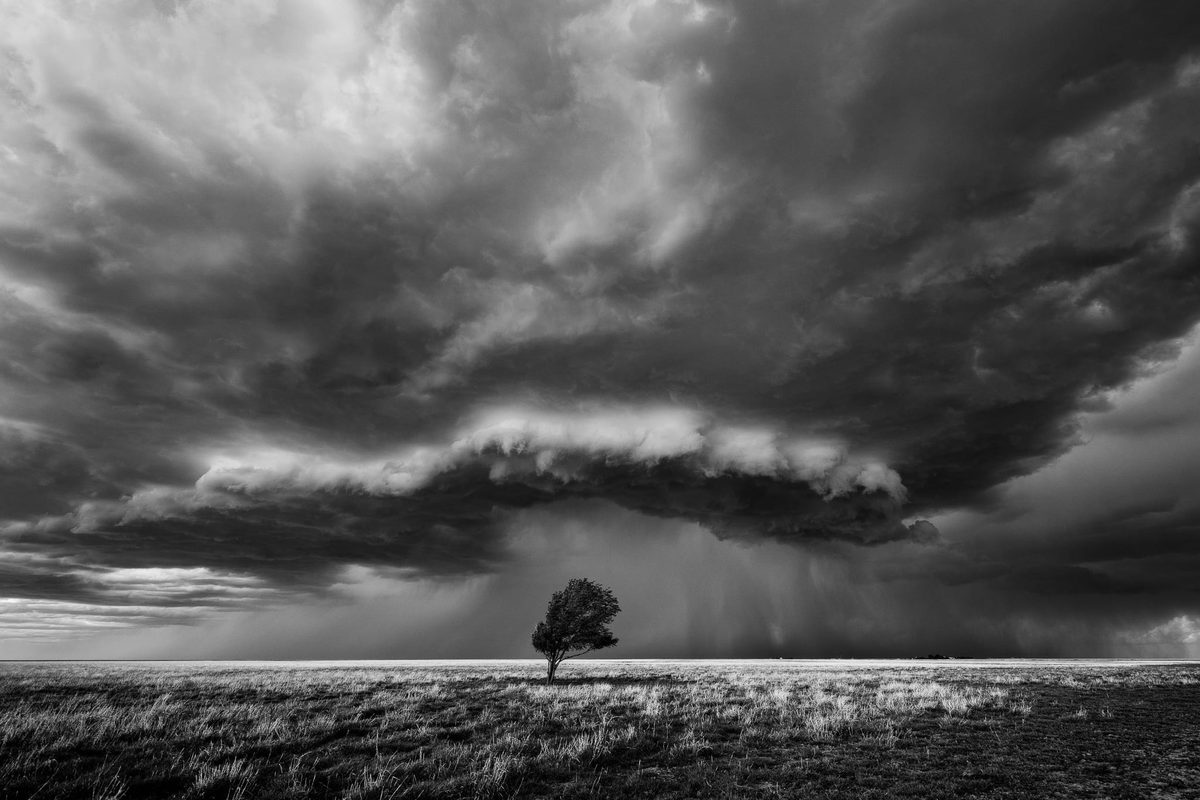
Watching a storm develop in real time can take hours. Clouds slowly build, light changes across the landscape, and individual storm cells grow, move, and eventually disappear. A photograph can preserve one remarkable instant, but a timelapse can reveal the entire transformation.
That ability to show change is what makes professional Timelapse Photographers valuable. Timelapse photography is not simply about placing a camera on a tripod and taking hundreds of pictures. Successful sequences require planning, an understanding of light and movement, reliable camera technique, patience, and careful post-production.
These skills become even more important when the subject is severe weather. Storms rarely develop according to a photographer’s schedule, and conditions can change in minutes.
For photographers interested in creating stronger timelapse sequences, understanding the decisions behind the camera is just as important as understanding the settings.
What Does a Timelapse Photographer Actually Do?
Timelapse photography compresses a long period into a much shorter sequence.
Instead of recording continuous video, the photographer captures individual frames at predetermined intervals. Those images are later combined and played sequentially.
The interval determines how quickly the subject appears to move.
For example, relatively fast-moving clouds may require shorter intervals, while stars moving across the night sky can often be photographed using longer intervals. There is no single interval that works for every situation.
Professional Timelapse Photographers therefore consider several factors before beginning:
- How quickly is the subject changing?
- How long will the event last?
- How much movement should appear in the final sequence?
- Is the light likely to change dramatically?
- How many frames will be required?
- Does the camera have enough battery life and storage?
- Can the tripod remain completely stable?
- Is the location safe for the expected conditions?
Thinking through these questions before pressing the shutter can prevent many common problems.
Start With the Story, Not the Camera Settings
One of the most useful lessons in timelapse photography is to decide what the sequence should communicate before worrying about technical settings.
Consider a developing thunderstorm.
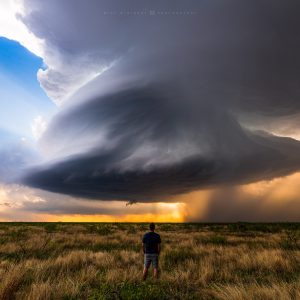
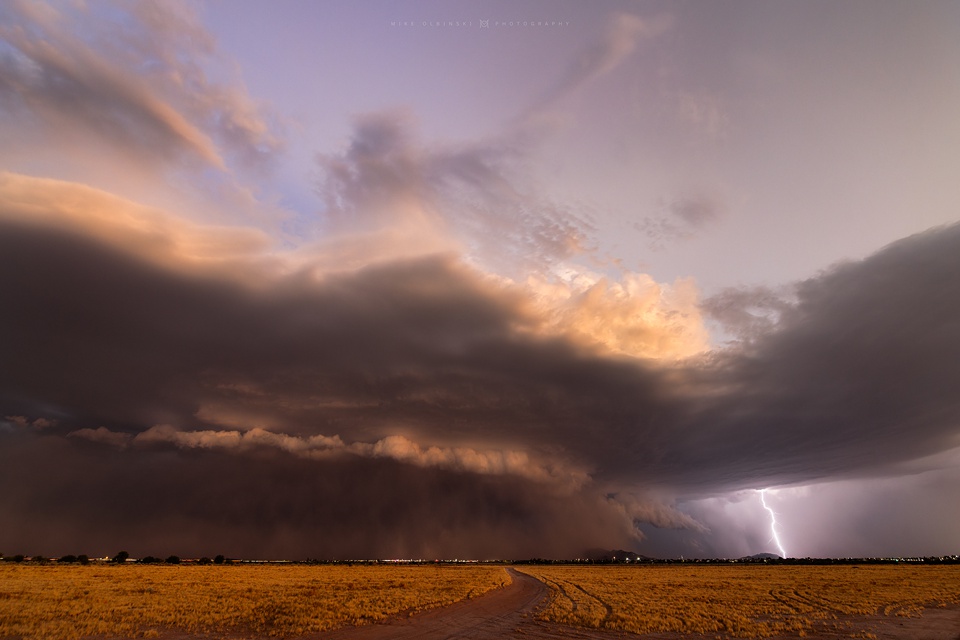
The most interesting story may not be a close-up of one cloud. It could be the way the entire storm grows above the landscape, how the light changes as it approaches, or how the structure evolves before eventually disappearing.
This decision affects everything from lens selection to camera position.
A wide composition can provide context and show the scale of a storm relative to mountains, buildings, roads, or desert landscapes. A tighter composition may emphasize cloud structure, lightning, or another specific detail.
Before setting up the camera, ask:
What change will make someone want to keep watching?
That question helps transform a technical timelapse into a visual story.
Choosing an Interval That Matches the Subject
Selecting the interval between photographs is one of the most important technical decisions.
If the interval is too long, fast-moving clouds can appear to jump between frames. If it is unnecessarily short, the photographer may create thousands of images without adding meaningful movement to the final sequence.
The appropriate interval depends on the subject and conditions.
Fast-moving weather generally benefits from shorter intervals than slow environmental changes. Night-sky sequences require additional consideration because exposure times themselves may already last several seconds.
Photographers should also calculate how many photographs they need.
At a playback rate of 24 frames per second, approximately:
240 photographs = 10 seconds of finished footage.
That simple calculation helps determine whether the planned shooting duration will produce enough material for the desired sequence.
Why Manual Exposure Matters
Automatic camera settings can create problems during timelapse photography.
When a camera continuously adjusts exposure, white balance, or other settings, individual frames can look slightly different. Once hundreds of images are combined, these small changes may become visible as flickering.
Using manual settings whenever conditions allow gives photographers greater consistency.
That includes considering manual:
- Exposure
- Focus
- White balance
- ISO
- Aperture
However, changing light situations such as sunsets require more advanced exposure management. The goal is not simply to keep every setting fixed—it is to create a visually smooth transition while preserving detail.
This is one reason experience matters. A technically correct individual photograph does not automatically produce a technically strong timelapse.
Stability Can Make or Break a Sequence
A tripod that moves slightly during a single photograph may not cause a noticeable problem.
In a timelapse, that movement can affect hundreds of frames.
Use a sturdy tripod and pay particular attention to wind. This becomes critical when photographing storms because strong gusts can cause vibration or gradually shift the camera.
Photographers should also avoid unnecessarily touching the camera once the sequence begins.
Before starting, check the composition carefully, confirm focus, verify battery and storage capacity, and review the interval settings. A few minutes of preparation can protect hours of shooting.
Storm Timelapse Photography Requires a Different Mindset
Storm photography adds another level of unpredictability.
The photographer needs to think about photography and weather simultaneously. A beautiful composition is never worth ignoring changing conditions or putting oneself in an unsafe position.
Storm movement, lightning, wind, visibility, road conditions, and escape routes should all be considered when selecting a shooting location.
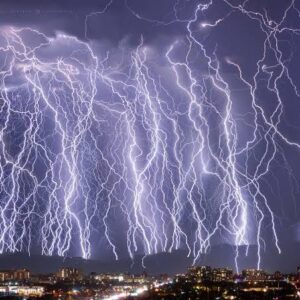
Experienced storm photographer Mike Olbinski has built a body of work around documenting dramatic weather, including supercells, lightning, dust storms, and other atmospheric events. Work of this nature demonstrates why successful storm photography involves much more than being present with a camera.
Timing, forecasting, positioning, patience, and an understanding of how weather evolves can all influence whether a sequence succeeds.
Learning Through a Storm Time-lapse Masterclass
Trial and error is an important part of photography, but learning from someone with extensive field experience can help photographers understand why certain approaches work.
A Storm Time-lapse Masterclass can be particularly useful for photographers who already understand basic photography but want to improve their approach to weather and time-lapse sequences.
Useful areas to study include interval selection, exposure management, composition, storm positioning, equipment preparation, image processing, flicker reduction, and assembling the final sequence.
It is also valuable to study unsuccessful shoots.
- Why did the sequence feel too fast?
- Why was there a distracting flicker?
- Why did the composition become less effective as the storm moved?
- Why did camera movement appear halfway through?
Understanding these problems can improve future results more than simply copying another photographer’s settings.
Post-Production Is Part of the Photography
A timelapse is not finished when the camera stops shooting.
Hundreds or thousands of RAW photographs may need to be processed before becoming a polished sequence.
The workflow typically involves organizing files, adjusting exposure and color, maintaining consistency between frames, correcting flicker when necessary, exporting the images, and assembling them into a video.
Consistency is especially important.
An individual frame might look beautiful after heavy editing, but dramatic differences between neighboring frames can create an unpleasant sequence. Adjustments should therefore be made with the movement of the entire timelapse in mind.
This is where photographers begin thinking more like filmmakers.
Pacing, sequence length, transitions, movement, and visual continuity all influence the final story.
What Makes Professional Storm Imagery Valuable?
Capturing unusual weather events requires time, travel, equipment, expertise, and sometimes years of accumulated field experience.
That makes professionally produced weather imagery useful beyond a photographer’s portfolio.
Documentary producers, television networks, publishers, advertising agencies, educational organizations, and brands may need authentic storm imagery without having the ability to capture those events themselves.
Storm Photography Licensing provides a way to obtain permission to use existing storm photographs or footage.
Licensing terms can vary depending on where the imagery will appear, how long it will be used, the size of the audience, geographic distribution, and whether exclusive usage is required.
Organizations seeking storm footage should communicate the intended use clearly so that appropriate licensing terms can be established.
A Practical Checklist Before Starting a Timelapse
Before beginning a sequence, photographers can run through a simple checklist:
- Composition: Is there a clear subject and enough room for movement?
- Focus: Is focus correct and locked where appropriate?
- Exposure: Are highlights protected, especially in changing skies?
- Interval: Does it match the speed of the subject?
- Battery: Can the camera operate for the entire planned sequence?
- Storage: Is there enough memory for hundreds or thousands of RAW files?
- Tripod: Is the camera stable against wind and vibration?
- Weather: Could conditions change during the shoot?
- Safety: Is there a safe route away from the location if necessary?
These checks take only a few minutes but can save an entire sequence.
Turning Time Into a Story
The best timelapse photography does something a still image cannot: it allows viewers to witness transformation.
A storm grows from a distant cloud into a towering structure. Stars sweep across the night sky. Light travels across a landscape. An ordinary scene becomes completely different within seconds.
Creating those sequences requires far more than letting a camera run.
The strongest Timelapse Photographers combine technical knowledge with observation, patience, preparation, and storytelling. For storm photographers in particular, understanding the environment is just as important as understanding the camera.
Photographers interested in this field can learn from experienced professionals such as Mike Olbinski, study established workflows, practice under different conditions, and continue refining both their technical and creative decisions.
Ultimately, great timelapse photography is not about making time move faster.
It is about revealing what happens when people are given the chance to see time differently.
Frequently Asked Questions
What is the best interval for timelapse photography?
There is no universal interval. The right choice depends on how quickly the subject is moving. Fast-changing clouds generally require shorter intervals, while slower subjects may work better with longer intervals. Testing the conditions before committing to a long sequence is helpful.
How many photos are needed for a 10-second timelapse?
At 24 frames per second, a 10-second sequence requires approximately 240 photographs. A 20-second sequence would require around 480 frames.
Should timelapse photographers shoot RAW or JPEG?
RAW files provide considerably more flexibility for adjusting exposure, color, shadows, and highlights during post-production. The tradeoff is larger file sizes and greater storage requirements.
Why does a timelapse flicker?
Flicker can occur when exposure, aperture, white balance, or lighting changes slightly between frames. Consistent camera settings and appropriate post-production techniques can help reduce it.
What can photographers learn from a Storm Time-lapse Masterclass?
A Storm Time-lapse Masterclass can help photographers understand the complete workflow behind storm timelapse photography, including planning, shooting techniques, interval selection, exposure, composition, field considerations, and post-production.
What is Storm Photography Licensing?
Storm Photography Licensing gives a business, publisher, filmmaker, or other organization permission to use a photographer’s storm imagery according to specific agreed terms. The terms may depend on the type, duration, location, and scale of the intended use.
Is storm timelapse photography suitable for beginners?
Photographers who understand basic exposure, manual camera controls, and tripod technique can begin experimenting with timelapses. Severe-weather photography requires additional knowledge and safety awareness, so beginners should build experience in safer conditions before attempting challenging storm environments.
Read More: Nobody Talks About This Part of the Timelapse Photography
Discover more from Mike Olbinski Photography
Subscribe to get the latest posts sent to your email.
About The Author