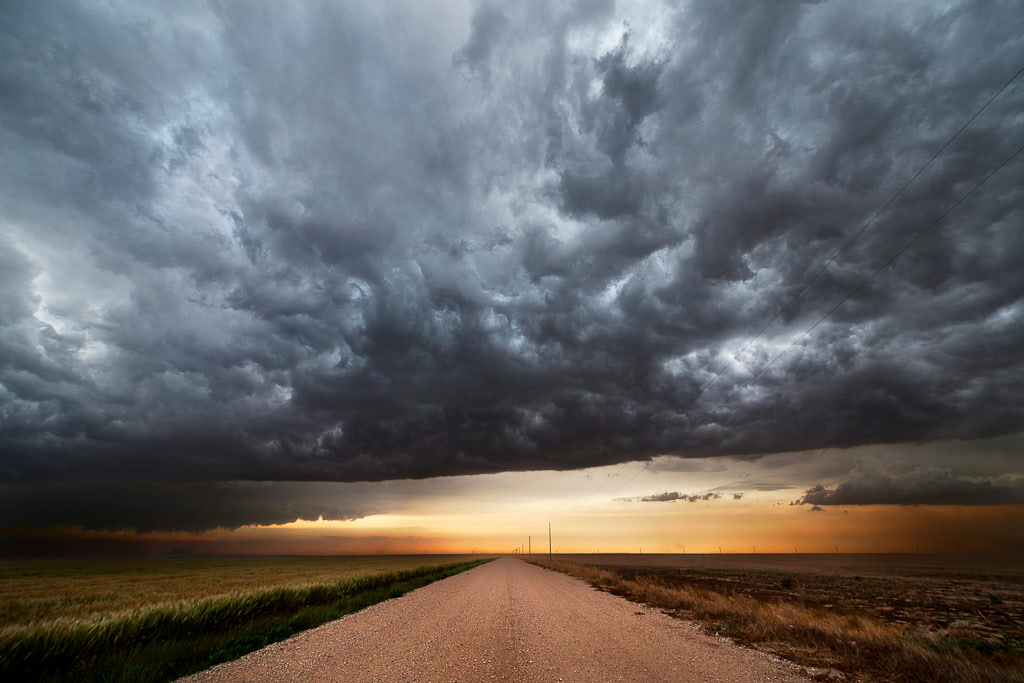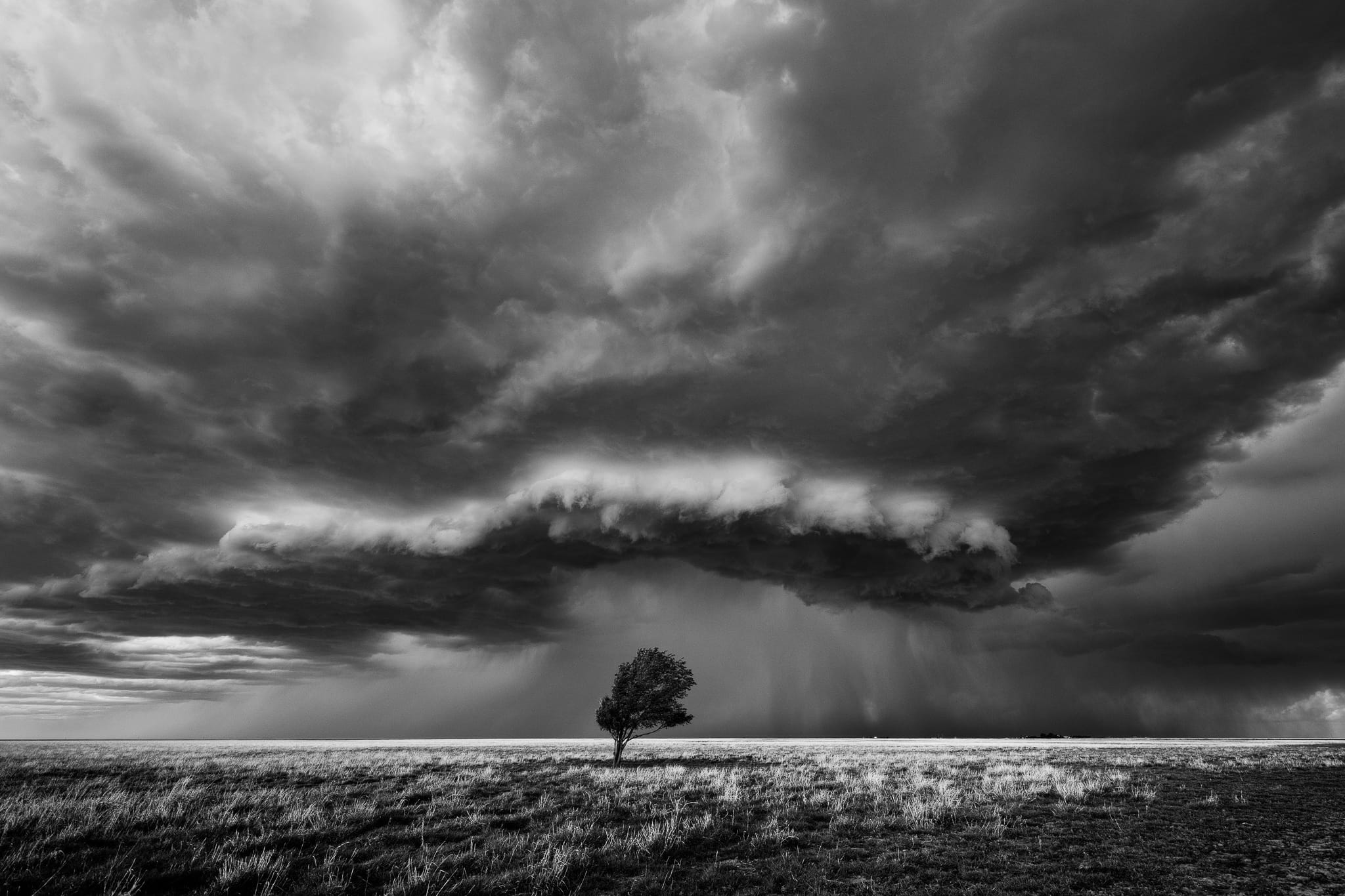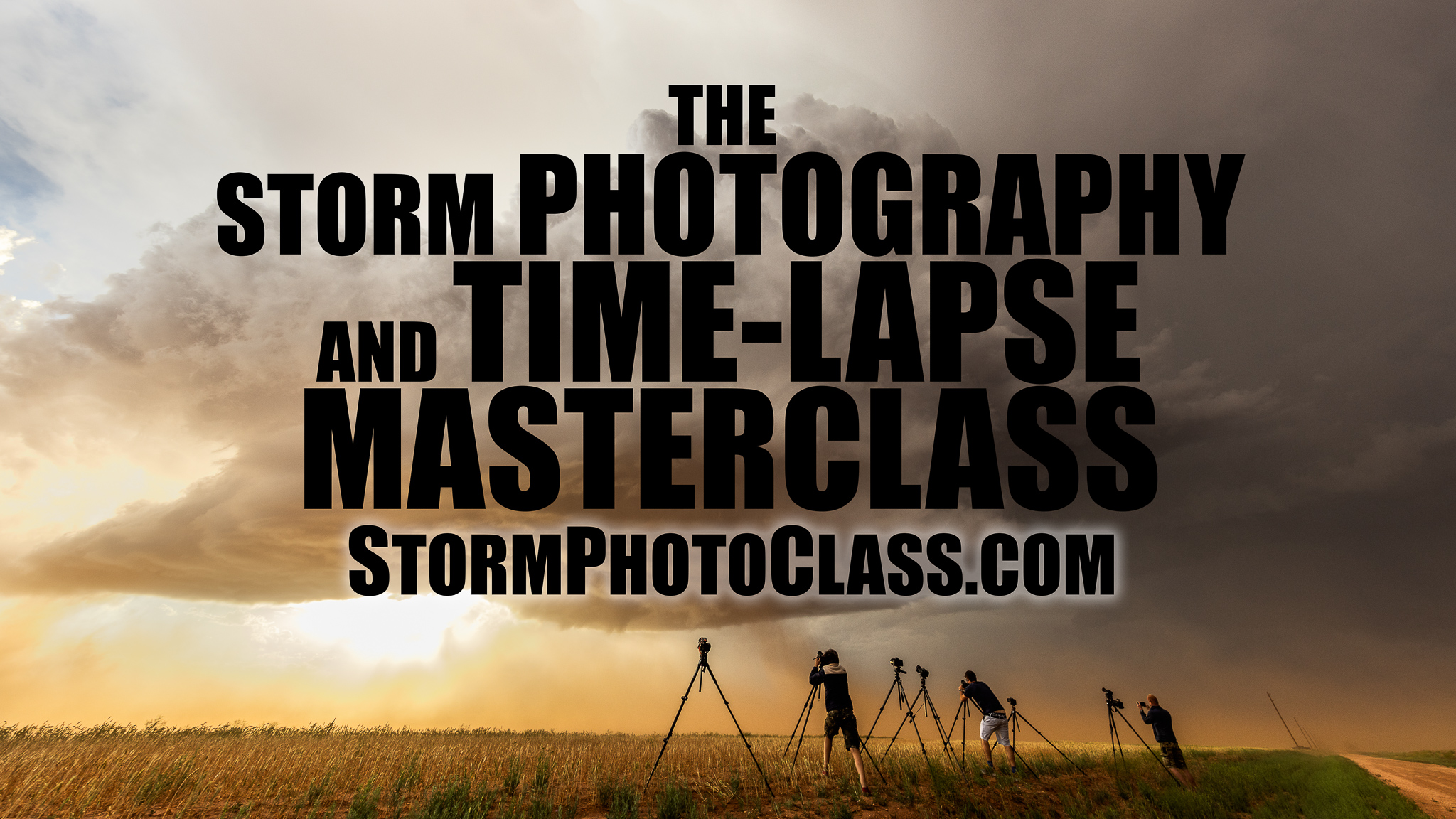
Storm chasing is far more than simply driving toward dark clouds with a camera in hand. It is a combination of meteorology, forecasting, photography, safety awareness, patience, and real-world decision-making. For weather enthusiasts and photographers alike, a professional Storm Chasing Masterclass offers the opportunity to understand severe weather systems while learning how to capture some of nature’s most dramatic moments safely.
Over the last decade, storm chasing has grown into a respected niche within photography and weather education. Stunning supercell images, cinematic lightning timelapses, and tornado documentaries have inspired thousands of people to learn more about severe weather forecasting and field observation. Experienced professionals such as Mike Olbinski have helped bring storm photography into the mainstream through breathtaking visual storytelling and educational weather content.
Whether you are a beginner hoping to photograph your first lightning storm or an experienced chaser looking to improve forecasting accuracy, learning through a structured Storm Chasing Masterclass can dramatically improve both your technical skills and safety awareness.
What Is a Storm Chasing Masterclass?
A Storm Chasing Masterclass is a specialized training program designed to teach participants how to forecast, track, observe, and photograph severe weather safely and effectively. These programs usually teach weather basics, radar reading, photography skills, and real storm chasing experience.
Unlike casual weather watching, professional storm chasing requires an understanding of atmospheric dynamics, storm evolution, navigation strategies, and severe weather safety protocols. A high-quality masterclass helps participants develop practical skills that can only be learned through guided experience.
Most programs include instruction on:
- Severe weather forecasting
- Radar and satellite interpretation
- Supercell identification
- Lightning photography
- Timelapse techniques
- Tornado safety procedures
- Chase navigation and positioning
- Ethical storm chasing practices
The best masterclasses balance classroom learning with real-world field experience, helping students apply forecasting theory during weather events.
Why Storm Chasing Has Become So Popular
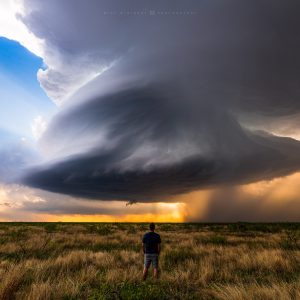
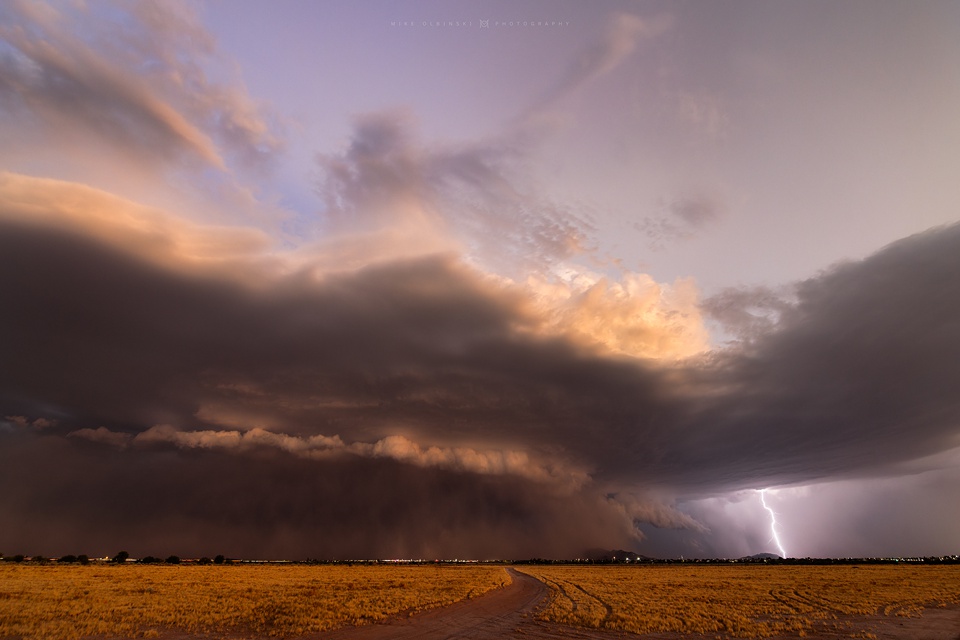
Storm chasing combines adventure, science, and visual storytelling in a way few hobbies can match. Every storm is different, which makes each chase experience unique. Some days involve quiet waiting and careful forecasting, while others deliver towering supercells, dramatic shelf clouds, or explosive lightning displays.
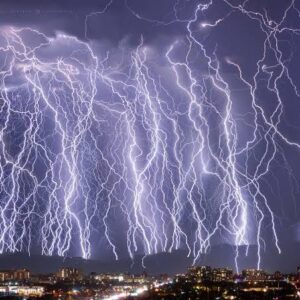
Social media and modern weather photography have also fueled interest in Storm Chasing Photography Tours. Images of rotating supercells across the Great Plains or cinematic lightning storms over desert landscapes have inspired photographers worldwide.
At the same time, weather forecasting technology has become more accessible. Mobile radar apps, GPS systems, and real-time weather models allow beginners to learn faster than ever before. However, experienced chasers know that technology alone is not enough.
One of the biggest mistakes beginners make is relying entirely on radar without understanding storm structure or road options. A professional Storm Chasing Masterclass teaches students how to combine forecasting tools with real-world observational skills.
Understanding Severe Weather Fundamentals
Every storm chaser must first understand the science behind severe thunderstorms. A strong educational foundation is critical for both forecasting accuracy and safety.
A quality Storm Chasing Masterclass typically introduces students to key meteorological concepts such as:
- Atmospheric instability
- Wind shear
- Moisture transport
- CAPE values
- Updraft and downdraft formation
- Drylines and frontal boundaries
- Storm-relative helicity
- Mesoscale weather environments
These elements determine whether storms remain weak rain showers or develop into powerful supercells capable of producing tornadoes and giant hail.
Many professional storm chasing consulting services teach students how to read weather models and spot dangerous storm conditions before they develop.
Experienced chasers often spend hours studying forecast models before even beginning a chase. During active storm seasons in the Great Plains, forecasting preparation can make the difference between a successful intercept and an entirely missed storm event.
Learning Radar Interpretation and Forecasting Skills
Forecasting is one of the most important skills in storm chasing. A photographer may own excellent camera equipment, but without forecasting knowledge, they may never reach the right storm at the right time.
A professional Storm Chasing Masterclass teaches students how to interpret:
- Doppler radar
- Satellite imagery
- Storm Prediction Center outlooks
- Mesoscale discussions
- Hodographs
- HRRR weather models
- Surface observations
- Storm motion analysis
Forecasting combines scientific analysis with practical experience and intuition. While weather models provide guidance, experienced storm chasers learn to recognize subtle environmental changes in real time.
Many professional storm photographers, including Mike Olbinski, emphasize patience during forecasting. In many cases, storm chasers may drive hundreds of miles toward a target area only to reposition again when atmospheric conditions change unexpectedly.
That level of decision-making comes from experience, education, and consistent practice.
Storm Chasing Photography Techniques
Photography is one of the biggest reasons people join Storm Chasing Photography Tours. Capturing dramatic weather requires technical camera skills combined with storm awareness and strategic positioning.
A strong Storm Chasing Masterclass teaches photographers how to:
- Compose wide storm landscapes
- Capture lightning with long exposures
- Photograph the supercell structure
- Shoot in low-light environments
- Create cinematic timelapses
- Protect camera equipment during severe weather
- Use filters and stabilization techniques
- Position safely for dramatic compositions
Experienced weather photographers understand that patience is often more important than speed. Some of the most iconic storm images are created after hours of waiting for the perfect storm structure, sunset lighting, or lightning sequence.
Mike Olbinski’s cinematic weather films have inspired many photographers because they combine technical precision with emotional storytelling. His work demonstrates how severe weather photography can become both an artistic and educational medium.
The Importance of Safety in Storm Chasing
Safety is the foundation of every responsible Storm Chasing Masterclass. Severe weather is unpredictable, and dangerous conditions can develop rapidly.
Professional courses emphasize that no photograph or video is worth risking lives.
Participants are usually trained to:
- Maintain safe distances from tornadoes
- Avoid flooded roadways
- Monitor storm movement constantly
- Understand hail core positioning
- Plan escape routes
- Communicate with chase partners
- Avoid traffic congestion near storms
- Respect emergency responders and local communities
Flash flooding remains one of the biggest hazards during severe weather events. Many experienced chasers note that water-covered roads can become deadly within minutes.
Responsible storm chasing also means avoiding reckless behavior. Ethical chasers do not block roads, interfere with emergency operations, or place residents at greater risk.
Many advanced Storm Chasing Consulting Services help photographers and content creators develop safer chase strategies and operational plans.
Best Regions and Seasons for Storm Chasing
One of the most exciting parts of storm chasing is traveling through regions known for dramatic severe weather.
The central United States remains one of the world’s most active storm chasing regions, particularly areas commonly referred to as Tornado Alley.
Popular storm chasing states include:
- Oklahoma
- Kansas
- Nebraska
- Texas
- South Dakota
- Colorado
Peak storm chasing season generally occurs between April and June, although monsoon lightning photography becomes popular later in summer across Arizona and the Southwest.
Many Storm Chasing Photography Tours are scheduled during peak supercell season because atmospheric conditions are most favorable for photogenic severe storms.
Why Storm Chasing Photography Tours Are Valuable
Hands-on experience is one of the fastest ways to improve as a storm chaser. This is why guided Storm Chasing Photography Tours have become increasingly popular.
These tours allow participants to chase storms alongside experienced professionals while learning forecasting and photography techniques in real-world environments.
Benefits of joining professional tours include:
- Guided forecasting sessions
- Safer chase logistics
- Real-time storm analysis
- Photography coaching
- Better storm positioning
- Access to experienced mentors
- Networking with other weather enthusiasts
For beginners, guided tours reduce much of the uncertainty involved in severe weather chasing while providing practical learning opportunities.
Experienced photographers also benefit from these tours because they gain access to advanced forecasting discussions and unique storm photography opportunities.
Equipment Every Storm Chaser Should Carry
Preparation is essential during severe weather events. A successful chase often depends on having reliable equipment and backup supplies.
Photography Equipment
- DSLR or mirrorless camera
- Wide-angle lens
- Telephoto lens
- Sturdy tripod
- Extra batteries
- Large-capacity memory cards
- Weather protection covers
Weather Tracking Tools
- Radar applications
- GPS navigation
- Mobile hotspot
- Portable battery packs
- NOAA weather radio
Safety Supplies
- First aid kit
- Flashlight
- Emergency blankets
- Water and snacks
- Tire repair tools
- Fuel reserves
Many experienced storm chasers spend 8 to 10 hours on the road during active chase days, so preparation and vehicle reliability are extremely important.
Common Beginner Mistakes in Storm Chasing
Beginners often underestimate how quickly storms can evolve.
Some common mistakes include:
- Chasing without understanding radar
- Driving too close to tornadoes
- Ignoring escape routes
- Focusing only on photography
- Underestimating flash flood dangers
- Chasing without backup communication tools
- Relying entirely on GPS navigation
A professional Storm Chasing Masterclass helps students avoid these dangerous habits by teaching structured decision-making and safety-first thinking.
Experienced storm chasers often stress that successful chasing is about positioning and patience, not reckless speed.
Advanced Storm Chasing Skills for Experienced Chasers
Advanced students in a Storm Chasing Masterclass may learn specialized forecasting and photography techniques such as:
- Mesoscale forecasting
- Tornado evolution analysis
- High-precipitation supercell tracking
- Advanced lightning timelapses
- Drone storm cinematography
- Multi-day chase planning
- Live streaming severe weather
- Weather storytelling and documentary production
Professional Storm Chasing Consulting Services may also support media teams, filmmakers, tourism companies, and commercial photography projects.
The Role of Technology in Modern Storm Chasing
Technology has transformed storm chasing dramatically over the last decade. Today’s storm chasers rely on real-time weather data to make better forecasting decisions.
Modern storm chasing tools include:
- Live radar applications
- AI-enhanced weather models
- GPS-based navigation systems
- Satellite imagery
- Mobile livestream platforms
- Real-time spotter reports
Organizations such as NOAA and the Storm Prediction Center also provide valuable severe weather outlooks that help storm chasers prepare for active weather days.
Despite these advancements, experienced chasers know that technology cannot replace real-world experience and atmospheric awareness.
Why Mike Olbinski Is Highly Respected in Storm Photography
Mike Olbinski is widely recognized for his cinematic storm photography and timelapse filmmaking. His work has inspired weather photographers worldwide through dramatic imagery and educational storytelling.
What makes his approach particularly respected is the balance between artistic creativity and deep weather knowledge. Rather than simply documenting storms, his work often captures the scale, emotion, and atmosphere surrounding severe weather events.
Many aspiring photographers studying Storm Chasing Photography Tours look to Mike Olbinski for inspiration because his content demonstrates how technical forecasting skills can combine with cinematic visual storytelling.
The Future of Storm Chasing Education
Storm chasing education continues to evolve rapidly as technology, forecasting tools, and photography equipment improve.
Online workshops, virtual forecasting sessions, and immersive Storm Chasing Photography Tours are making storm education more accessible than ever before.
At the same time, there is a growing emphasis on responsible and ethical storm chasing. Modern educational programs increasingly focus on:
- Community respect
- Safety-first chasing
- Responsible social media practices
- Environmental awareness
- Ethical storm documentation
The best storm chasing consulting services now emphasize not just forecasting skill, but also professionalism and responsible field behavior.
Final Thoughts
A professional Storm Chasing Masterclass offers far more than weather education alone. It teaches forecasting, photography, safety awareness, patience, decision-making, and respect for the power of nature.
Whether you are a beginner interested in your first severe weather experience or an experienced photographer looking to improve forecasting accuracy, structured storm chasing education can dramatically improve your skills and confidence.
From understanding radar data to capturing cinematic lightning imagery, every successful storm chase requires preparation, experience, and responsible decision-making.
Educational leaders and photographers such as Mike Olbinski continue to inspire weather enthusiasts worldwide by demonstrating how storm chasing can combine science, art, and storytelling.
As severe weather photography continues to grow in popularity, storm chasing photography tours and professional storm chasing consulting services will remain valuable resources for anyone passionate about weather exploration and visual storytelling.
FAQs
What is included in a Storm Chasing Masterclass?
A typical Storm Chasing Masterclass includes forecasting lessons, radar interpretation, storm structure education, photography training, navigation techniques, and severe weather safety practices.
Are Storm Chasing Photography Tours suitable for beginners?
Yes. Many storm chasing photography tours are specifically designed for beginners and provide guidance from experienced storm chasers and photographers.
What is the best time of year for storm chasing?
Peak storm chasing season in the United States generally runs from April through June, especially across Tornado Alley regions.
Do I need expensive camera equipment for storm photography?
No. Beginners can start with basic DSLR or mirrorless cameras. However, wide-angle lenses and sturdy tripods are highly recommended for severe weather photography.
How dangerous is storm chasing?
Storm chasing can be dangerous without proper knowledge and preparation. This is why professional education, forecasting skills, and safety-focused decision-making are essential.
What do Storm Chasing Consulting Services provide?
Storm Chasing Consulting Services may offer forecasting support, photography coaching, operational planning, safety guidance, and educational training for individuals or teams.
Why is Mike Olbinski so popular among weather photographers?
Mike Olbinski is highly respected for his cinematic storm photography, time-lapse films, and educational contributions to the severe weather photography community.
Discover more from Mike Olbinski Photography
Subscribe to get the latest posts sent to your email.
About The Author