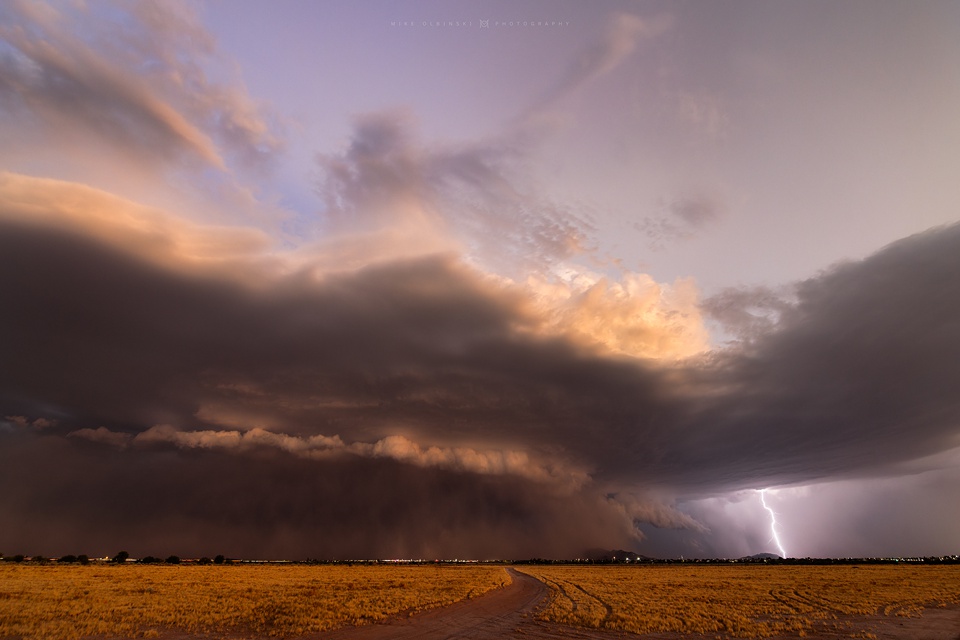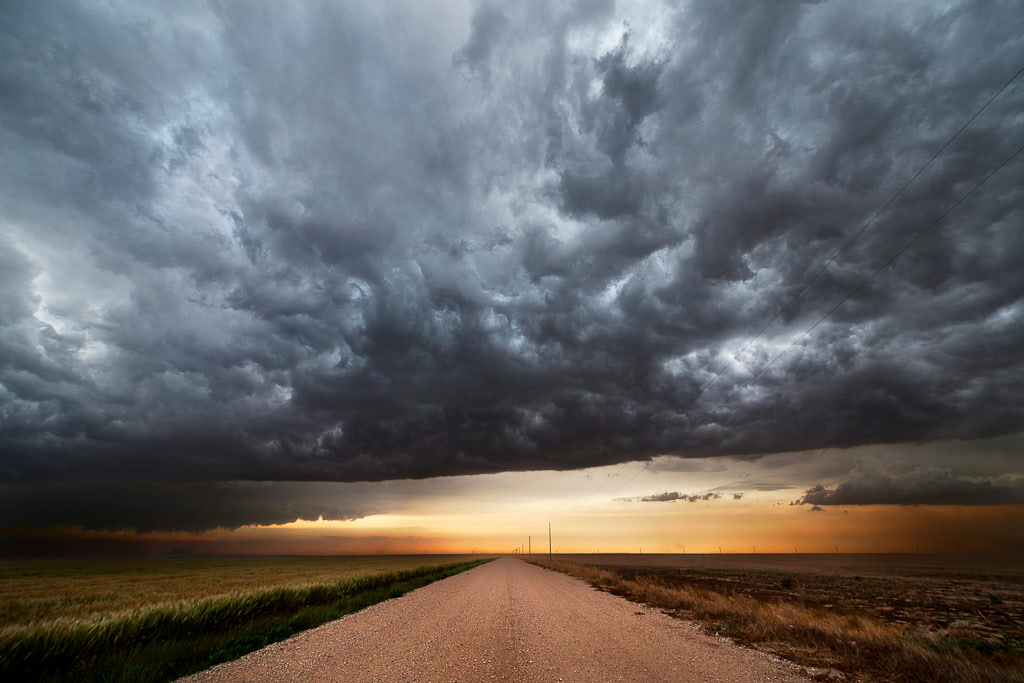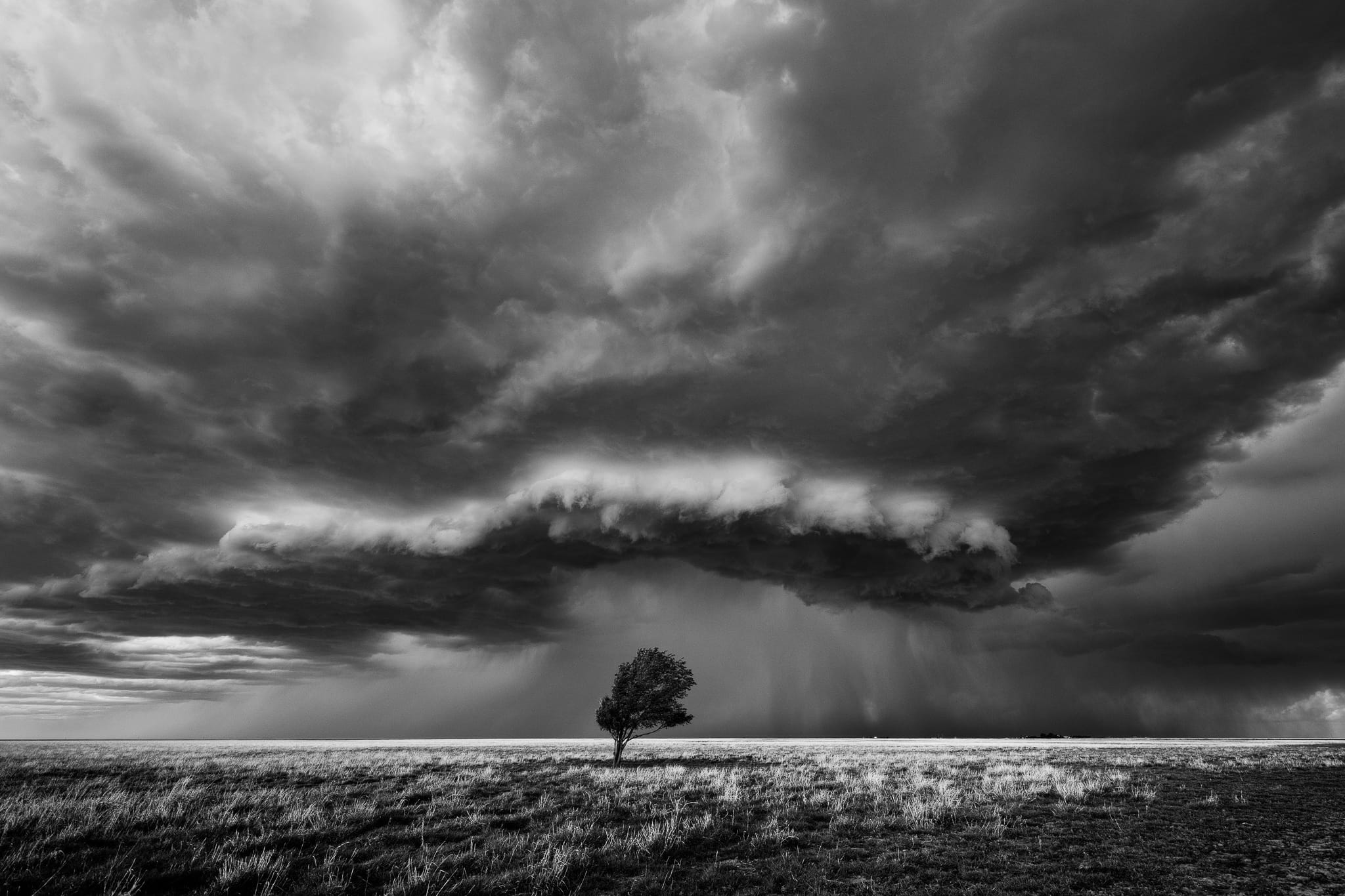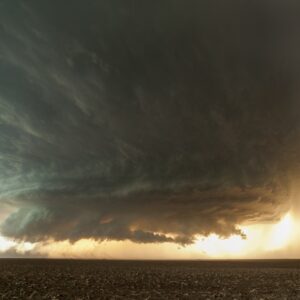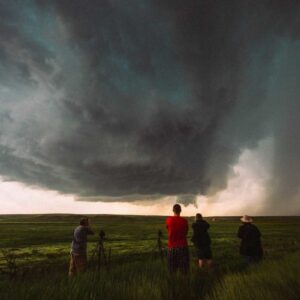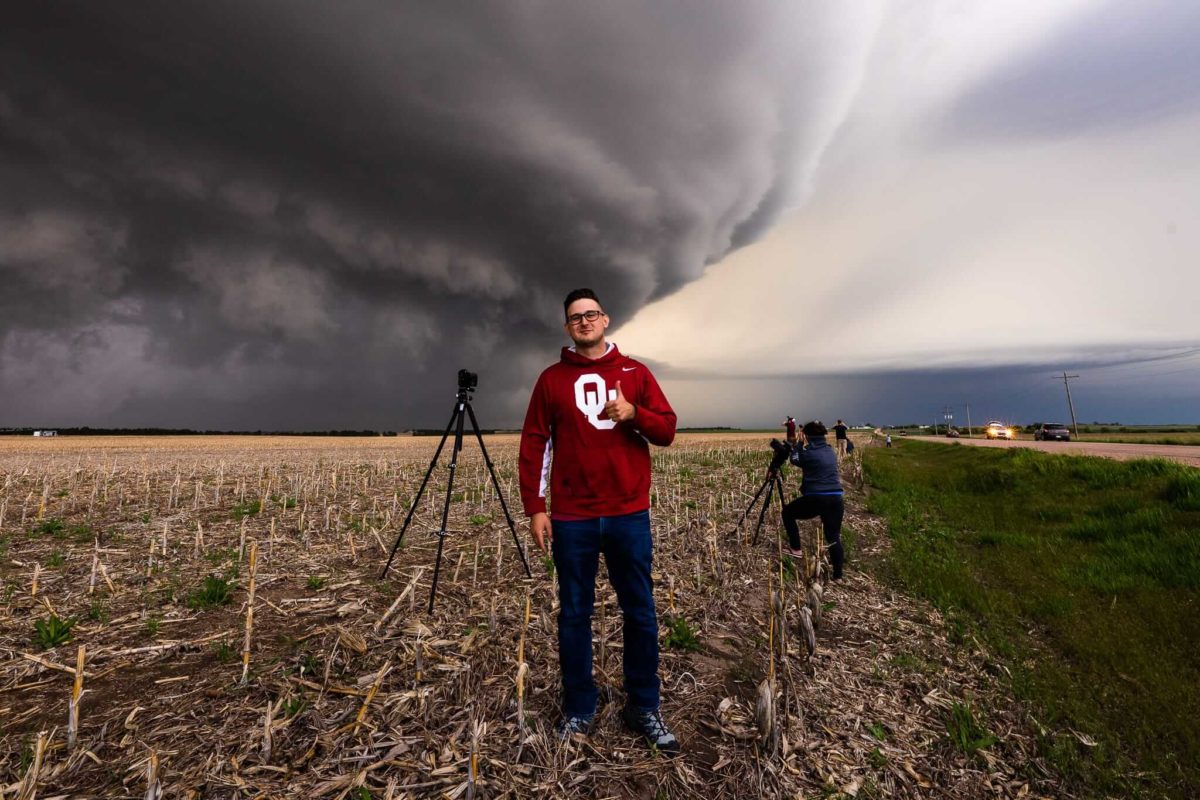
Weather has the ability to transform an ordinary landscape into something dramatic and visually powerful. Dark storm clouds, lightning strikes, heavy rainfall, and misty skies all create unique opportunities for photographers. Weather Photography focuses on capturing these atmospheric moments and documenting how nature changes over time. For beginners, learning how to photograph weather can feel challenging, but with the right techniques and preparation, it becomes an exciting photography niche.
Many photographers are inspired by storm photographers who spend years studying weather systems and photographing dramatic skies. One such example is Mike Olbinski, known for documenting large storm systems and teaching photographers how to capture powerful weather scenes. His approach shows that understanding weather patterns and practicing patience are key elements of successful photography in this field.
This guide explains the basics of Weather Photography, including equipment, camera settings, safety tips, and practical techniques for beginners interested in capturing storms and dramatic skies.
What Is Weather Photography?
Weather photography is the practice of capturing atmospheric conditions such as storms, clouds, lightning, rain, fog, and snow. It combines elements of landscape photography with an understanding of weather patterns to document dramatic natural events.
Photographers who specialize in weather often focus on powerful weather systems like thunderstorms, dramatic cloud formations, and lightning strikes. These moments can create visually striking images that highlight the intensity and beauty of nature.
Understanding Weather Photography
Weather Photography involves photographing various atmospheric conditions that shape the environment. Unlike standard landscape photography, weather scenes are constantly changing, which means photographers must act quickly and adjust their camera settings as conditions evolve.
Common subjects in weather photography include:
- Dramatic cloud formations
- Thunderstorms and lightning
- Rainfall and snowfall
- Foggy landscapes
- Stormy skies during sunrise or sunset
Observing the sky and learning how weather systems develop can significantly improve your ability to capture unique weather moments.
Essential Equipment for Weather Photography
You do not need extremely expensive gear to begin Weather Photography, but certain equipment can make the process easier and more effective.
Camera
A DSLR or mirrorless camera with manual controls allows you to adjust shutter speed, aperture, and ISO based on weather conditions.
Lens
Wide-angle lenses are commonly used in weather photography because they capture large skies and dramatic cloud formations. A focal length between 14mm and 35mm works well for most storm scenes.
Tripod
A sturdy tripod is essential for capturing lightning or shooting long exposures during storms.
Weather Protection
Rain covers or weather-sealed camera gear help protect equipment when shooting in rain or snow.
Remote Shutter Release
A remote shutter release or camera timer reduces camera shake during long exposures.
Recommended Gear for Photography
Some commonly used tools in weather and storm photography include:
- DSLR or mirrorless camera with manual settings
- Wide-angle lens (14mm–35mm)
- Sturdy tripod for stability
- Rain cover or weather protection for camera equipment
- Remote shutter release for long exposures
These tools help photographers safely capture dramatic weather scenes with greater control.
Planning and Tracking Weather Conditions
Preparation is an important part of successful Storm Photography. Rather than waiting for storms to appear unexpectedly, photographers often monitor weather forecasts and radar data to anticipate interesting weather events.
Useful preparation steps include:
Understanding weather patterns helps photographers position themselves safely while capturing powerful images.
- Monitoring local weather forecasts
- Checking weather radar to track storm movement
- Choosing safe locations with clear views of the horizon
- Arriving at the shooting location before the storm develops
Camera Settings for Weather Photography
Weather conditions can change rapidly, so knowing how to adjust camera settings is essential.
Shutter Speed
Shutter speed determines how motion appears in your photos.
- Fast shutter speeds (1/500 or higher) help capture rain or snow sharply without motion blur.
- Long exposures (5–30 seconds) are commonly used to capture lightning and moving storm clouds.
Aperture
An aperture around f/8 to f/11 helps maintain sharp detail across the entire frame.
ISO
Keeping ISO between 100 and 400 helps maintain image quality during daylight conditions.
Techniques for Capturing Storm Photography
Storms create some of the most dramatic scenes in Weather Photography. Capturing them effectively requires careful composition and timing.
Focus on Cloud Structure
Large storm systems often contain powerful cloud formations. Positioning the camera to emphasize the sky can highlight the scale of the storm.
Use Foreground Elements
Including buildings, trees, or landscapes in the foreground adds depth and scale to storm images.
Capture Lightning with Long Exposure
Lightning photography typically involves long exposures using a tripod. This increases the chances of capturing lightning during the exposure.
Shoot Before or After the Storm
Some of the best weather photographs occur just before storms arrive or immediately after they pass.
Learning from Professional Storm Photographers
Studying experienced photographers can help beginners understand how to capture dramatic weather scenes. Professional storm photographer Mike Olbinski is widely recognized for documenting large storm systems and dramatic skies.
His work demonstrates how patience, careful planning, and an understanding of storm structure can help photographers capture remarkable weather images.
Learning Through Storm Chasing Education
Many photographers develop their skills through structured training programs that focus on storm tracking and photography techniques. One example is the Storm Chasing Masterclass, which teaches photographers how to understand weather systems and safely photograph storms.
Learning from experienced instructors helps beginners gain confidence in both storm tracking and photography techniques.
Safety Tips for Weather Photography
Safety should always be the highest priority when photographing severe weather.
Important safety precautions include:
- Avoid standing in open areas during lightning storms
- Maintain a safe distance from severe weather systems
- Monitor weather alerts and warnings
- Protect yourself and your camera equipment from heavy rain and strong winds
Even experienced storm photographers prioritize safety before attempting to capture dramatic weather events.
Editing Weather Photography
Post-processing can enhance the visual impact of weather images while keeping them realistic.
Common adjustments include:
- Increasing contrast to highlight cloud texture
- Adjusting exposure to balance sky and landscape
- Slight color correction for natural tones
- Sharpening details in clouds and lightning
Editing should enhance the natural appearance of weather conditions without exaggerating them.
Practice and Patience
Weather photography requires patience because storms and dramatic skies cannot be controlled. Photographers often spend hours observing weather patterns and waiting for the right moment.
With consistent practice and a better understanding of weather systems, beginners can gradually improve their Weather Photography skills.
Key Takeaways
- Weather photography focuses on capturing atmospheric conditions such as storms, clouds, rain, and lightning.
- Storm photography often requires preparation, storm tracking, and safe shooting locations.
- Wide-angle lenses and tripods help capture dramatic skies and lightning strikes.
- Understanding weather patterns increases the chances of photographing powerful storms.
- Learning resources like the Storm Chasing Masterclass can help photographers develop advanced storm photography skills.
Conclusion
Weather Photography offers a unique opportunity to capture the power and beauty of nature as it unfolds in real time. From dramatic storm clouds to lightning-filled skies, photographing weather allows photographers to document moments that are both intense and visually striking.
By understanding weather patterns, practicing proper camera techniques, and prioritizing safety, beginners can gradually develop the skills needed to capture impressive weather images. Learning from experienced photographers and educational resources can also accelerate your progress.
With patience, preparation, and consistent practice, anyone can begin capturing powerful images that showcase the dramatic impact of weather on our landscapes. If you want to improve your skills further, explore the Storm Chasing Masterclass and contact Mike Olbinski now to start your journey into professional storm photography.
FAQs About Weather Photography
What is weather photography?
Weather photography focuses on capturing atmospheric conditions such as storms, clouds, lightning, rain, fog, and snow.
What is storm photography?
Storm photography is a type of weather photography that specifically focuses on documenting thunderstorms, lightning, and dramatic storm cloud formations.
What equipment is needed for weather photography?
A camera with manual controls, a wide-angle lens, and a sturdy tripod are commonly used tools for capturing weather scenes.
How do photographers capture lightning?
Lightning is typically captured using long exposure photography with a tripod. Keeping the shutter open for several seconds increases the chance of capturing lightning.
Is storm photography dangerous?
Storm photography can be risky if proper precautions are not taken. Photographers should monitor weather conditions, maintain safe distances, and prioritize safety.
Can beginners start weather photography?
Yes, beginners can start weather photography by learning basic camera settings, studying weather patterns, and practicing safe shooting techniques.
Discover more from Mike Olbinski Photography
Subscribe to get the latest posts sent to your email.
About The Author