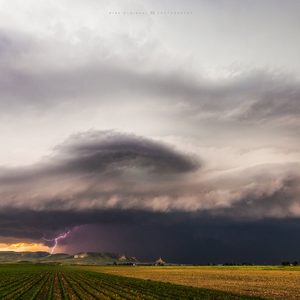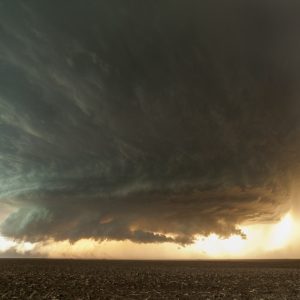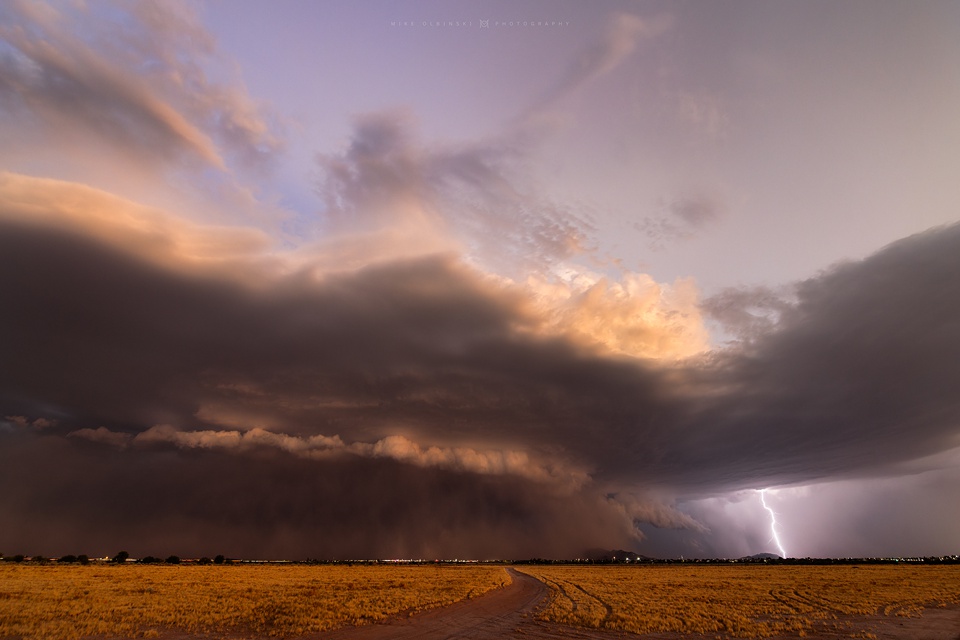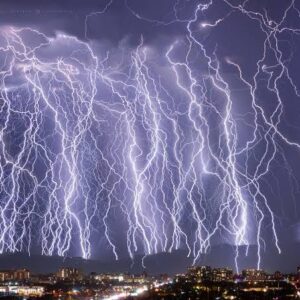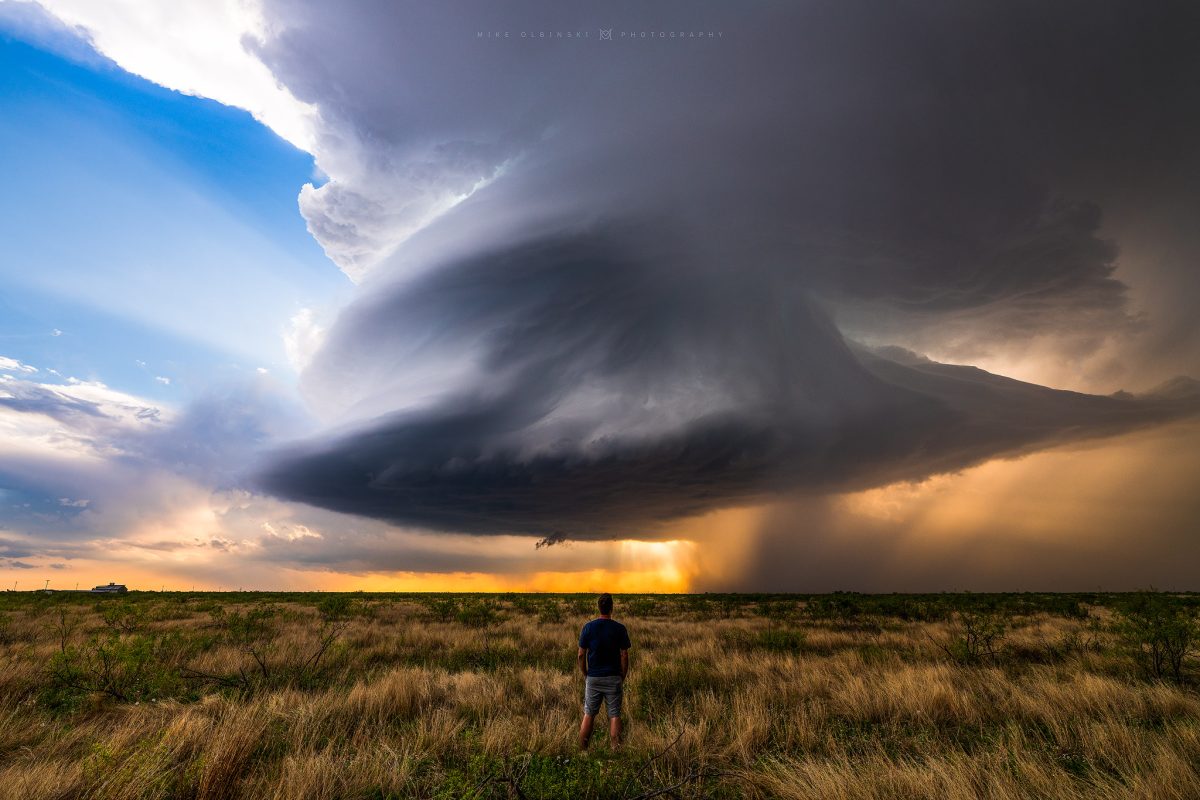
A thunderstorm can transform an ordinary landscape into a dramatic scene within minutes. Towering clouds build across the horizon, sunlight changes as the storm develops, rain falls in distant curtains, and lightning briefly illuminates the sky. For filmmakers and visual storytellers, these constantly changing conditions create opportunities that are difficult to reproduce in a controlled production environment.
Thunderstorm stock footage allows filmmakers, documentary producers, television teams, advertising agencies, and other creative professionals to incorporate authentic weather into their projects. Instead of recreating a storm, production teams can use professionally captured footage that shows real atmospheric conditions, storm structures, and changing landscapes.
For Mike Olbinski, capturing these moments has been a long-term pursuit combining storm chasing, storm photography, filmmaking, and time-lapse. His work documents dramatic weather across locations including the Central Plains, Tornado Alley, Arizona, and the American Southwest.
Why Thunderstorms Make Compelling Visual Stories
A thunderstorm is constantly evolving. Its appearance can change significantly as clouds grow, light shifts, rain develops, and the storm moves across the landscape.
That movement gives thunderstorm footage a natural sense of progression. A production can show a storm developing from a distant cloud formation into a much larger system, creating a visual sequence rather than relying on one static image.
The surrounding environment can also change the character of the footage. A storm moving over the open plains has a different visual quality from a monsoon storm developing above an Arizona landscape.
This combination of movement, atmosphere, light, and landscape makes real thunderstorms useful for projects that need dramatic environmental imagery.
Capturing the Development of a Storm
One of the most interesting aspects of storm filmmaking is capturing what happens before the storm reaches its most dramatic stage.
Clouds may begin as small formations before rapidly growing vertically. The base of the storm can change, shadows can move across the landscape, and rain shafts can become increasingly visible.
For a filmmaker, these changes can create a natural beginning, middle, and end within a single weather sequence.
Mike Olbinski’s storm work focuses heavily on this evolution. His time-lapse projects document weather as it develops and moves rather than treating each storm as simply a single photographic subject. His website features time-lapse work covering supercells, tornadoes, lightning, monsoons, haboobs, shelf clouds, and other weather formations.
The Role of Time-Lapse in Weather Storytelling
Time-lapse can reveal movement that is difficult to appreciate when watching a storm in real time.
A storm that develops over several hours can be condensed into a short sequence. Clouds appear to race across the sky, structures grow and change, and the relationship between the storm and landscape becomes easier to see.
This makes storm time-lapse particularly useful for documentaries and productions where showing development is important.
Mike’s website describes his evolution from experimenting with time-lapse to creating cinematic storm films. His work has been shown in theaters, museums, film festivals, and other venues.
For production teams, a time-lapse sequence can serve several purposes. It can introduce a location, illustrate weather development, create a transition, establish atmosphere, or provide a visually engaging opening or closing sequence.
Storm Photography and the Importance of Composition
Storm Photography involves more than photographing the largest cloud or brightest lightning strike.
Composition plays an important role in communicating scale. A storm photographed above an expansive landscape can appear enormous because the surrounding environment gives viewers something to compare it with.
Foreground objects, roads, buildings, mountains, fields, and desert terrain can all provide context. The position of the storm within the frame can also influence how viewers perceive its movement and size.
This approach is evident in professional weather photography, where the weather event and the environment work together to create the image.
For filmmakers, this is especially useful because wide environmental shots can establish a sense of place before a production moves to closer or more intense weather imagery.
Different Thunderstorms Create Different Visual Opportunities
Not every thunderstorm looks the same, and different weather environments can provide very different footage.
A supercell may produce enormous rotating structures and dramatic cloud formations. Lightning storms can create powerful nighttime imagery. Arizona monsoons can bring dramatic skies and rain across desert landscapes, while haboobs can create enormous walls of dust.
Mike Olbinski’s storm portfolio includes many of these weather phenomena. His work across different parts of the United States provides a range of visual environments and storm structures for creative projects.
This variety is useful when a production needs footage that matches a particular location, atmosphere, or story.
Why Authentic Storm Footage Has Visual Value
Real weather contains details that are difficult to predict or recreate.
The exact shape of a cloud formation, the movement of rain, the changing light on the landscape, and the timing of lightning are all determined by natural conditions. Even two storms that appear similar can produce completely different visual sequences.
Authentic footage preserves those details.
For productions where realism is important, professionally captured weather imagery can provide a stronger connection to the actual environment than a simulated storm sequence. It also allows filmmakers to incorporate weather events that would be difficult to schedule specifically for a production.
How Productions Can Use Thunderstorm Stock Footage
Thunderstorm Stock Footage can be adapted to many types of creative projects.
Documentary filmmakers can use it to illustrate severe weather and storm development. Nature and science productions can use time-lapse sequences to demonstrate atmospheric movement. Feature films and commercials can incorporate storm imagery to establish atmosphere or create visual contrast.
Mike’s licensing page lists applications including motion pictures, nature series, documentaries, national television commercials, music videos, television, video games, theaters, concerts, and large-format displays.
Because the footage can serve different purposes, production teams should consider how a particular sequence will function within the final project rather than choosing a clip based solely on how dramatic it looks.
What to Consider Before Selecting Storm Footage
Choosing the right footage starts with understanding the production’s requirements.
The type of weather event is one consideration. A filmmaker may need lightning, a supercell, a tornado, a monsoon, or a broader thunderstorm sequence.
The visual composition also matters. Some projects may require a wide landscape shot, while others may need a more concentrated view of the storm structure or a time-lapse showing development.
Technical specifications should also be considered. Resolution, delivery format, intended screen size, and editing requirements can affect which footage is appropriate.
Finally, production teams should clearly communicate how the footage will be used when requesting licensing information. Mike’s licensing page provides a way for production teams to discuss their project, budget, and specific footage requirements.
High-Resolution Storm Footage for Professional Productions
Professional productions often require footage that can meet demanding technical specifications.
Mike Olbinski’s licensing collection states that nearly all of his time-lapse storm stock footage is captured at over 8K resolution, with Apple ProRes 422 HQ generally available as a delivery format.
High-resolution footage can provide greater flexibility during editing and help production teams work with footage intended for cinema, television, large-format displays, and other professional applications.
The technical quality of the source material is particularly important when storm imagery needs to be integrated with other high-resolution footage.
The Experience Behind the Camera
Capturing severe weather requires more than having the right camera equipment.
Storms are unpredictable, and conditions can change rapidly. A photographer needs to understand the environment, anticipate how the weather may develop, and be prepared to capture a worthwhile moment when it appears.
Mike’s work brings together his experience as a storm chaser, photographer, and filmmaker. That combination allows him to approach weather not only as a subject to document but also as a moving visual story.
His body of work demonstrates how storm chasing can become a form of cinematic weather photography, where the objective is to communicate the scale, movement, and atmosphere of the event.
Bringing Real Storms Into Your Production
The most memorable storm footage often captures more than the weather itself. It shows the changing relationship between clouds, light, landscape, and movement.
That’s what gives authentic thunderstorm imagery its storytelling potential.
Through years of storm chasing, Storm Photography, time-lapse filmmaking, and weather photography, Mike Olbinski has documented storms across some of the most visually striking regions of the United States.
His collection of Thunderstorm Stock Footage gives filmmakers, documentary teams, television producers, advertisers, and other creative professionals access to professionally captured weather imagery for a variety of production needs.
Looking for authentic storm footage for a film, documentary, commercial, or other production? Contact Mike Olbinski to discuss your project and footage licensing requirements.
FAQs About Thunderstorm Stock Footage
1. What makes thunderstorm footage suitable for professional productions?
Professional thunderstorm footage combines deliberate composition, technical camera work, and authentic weather conditions. High-resolution footage can also provide flexibility for productions with demanding technical requirements.
2. Can thunderstorm footage show how a storm develops?
Yes. Time-lapse is particularly effective for showing storm development because it compresses changes that occur over an extended period into a shorter sequence. This can reveal cloud growth, movement, and changing atmospheric conditions.
3. What types of weather can be included in Mike Olbinski’s footage?
Mike’s storm work includes thunderstorms, supercells, tornadoes, lightning, Arizona monsoons, haboobs, shelf clouds, and other severe-weather formations.
4. Is storm time-lapse available for licensing?
Yes. Mike Olbinski offers storm time-lapse footage for licensing, including high-resolution material intended for professional production applications.
5. Can Storm Stock Footage be used outside of weather documentaries?
Yes. Storm stock footage can be incorporated into motion pictures, commercials, television programs, music videos, documentaries, video games, large-format displays, and other creative projects, subject to the applicable licensing terms.
6. Why can the landscape be important when filming a thunderstorm?
The landscape provides context and scale. Open plains, desert environments, mountains, buildings, and other foreground elements can help communicate the size and visual impact of a storm.
7. What should a production team include in a storm footage request?
It is useful to provide the project type, desired weather event, visual style, technical requirements, intended use, distribution, and deadline. These details help determine what type of footage may be appropriate for the production.
8. Is high-resolution thunderstorm footage available from Mike Olbinski?
Mike’s licensing page states that nearly all of his time-lapse storm stock footage is available at over 8K resolution, with Apple ProRes 422 HQ generally offered for delivery.
9. How is thunderstorm footage different from a single storm photograph?
A photograph preserves one moment, while video can capture movement and progression. Time-lapse goes further by showing weather changes that may occur over hours in a much shorter sequence.
10. How can filmmakers request storm footage from Mike Olbinski?
Production teams can contact Mike Olbinski with details about their project, budget, and footage requirements. His licensing service is designed to help productions obtain suitable storm imagery for their specific needs.
Read More: Storm Stock Footage: Capturing the Power of Nature on Film
Discover more from Mike Olbinski Photography
Subscribe to get the latest posts sent to your email.
About The Author